
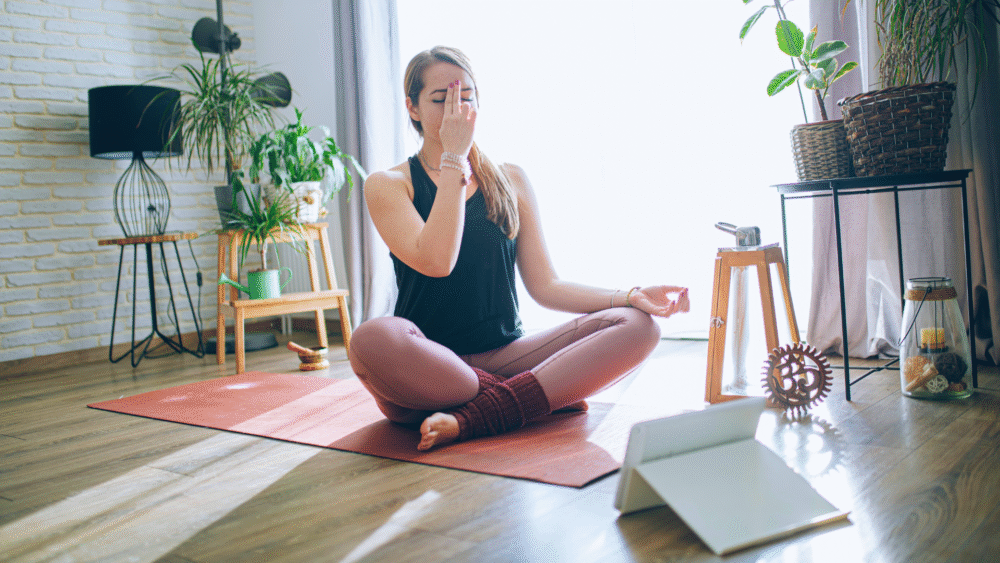
Practicing mindfulness through yoga offers a path to greater awareness and presence in daily life. Engaging in yoga not only enhances physical flexibility but also cultivates a deeper connection to one’s thoughts and emotions. By combining breath control and movement, individuals can learn to observe their feelings without judgment, fostering a sense of peace.
Incorporating mindful yoga into a routine can transform one’s approach to stress and anxiety. As practitioners focus on the present moment, they often discover a valuable tool for coping with daily challenges. This approach encourages them to let go of distractions and immerse in each pose, promoting relaxation and clarity.
Exploring mindfulness through yoga ultimately empowers individuals to bring awareness into their daily activities. This practice serves as a reminder to pause, breathe, and reconnect with oneself amidst life’s chaos. As they progress, the benefits extend beyond the mat, leading to a more balanced and centered existence.
Fundamentals of Mindfulness and Yoga
Mindfulness and yoga share a profound connection, emphasizing the essence of being present and fostering awareness. Both practices offer valuable benefits for physical health, mental clarity, and emotional balance.
Understanding Mindfulness
Mindfulness is the practice of maintaining a moment-to-moment awareness of thoughts, feelings, and bodily sensations without judgment. It encourages individuals to observe their experiences, cultivating a sense of acceptance and presence. Central to mindfulness teachings is the idea that by focusing on the here and now, individuals can reduce stress and anxiety.
Incorporating mindfulness into daily routines can enhance one’s ability to respond thoughtfully rather than react impulsively. This approach translates into both personal and professional life, promoting improved relationships and decision-making. Techniques such as meditation can deepen mindfulness, allowing individuals to connect with their consciousness more profoundly.
Essentials of Yoga Practice
Yoga encompasses various techniques, including asana (postures), pranayama (breath control), and meditation. Hatha yoga is particularly effective for beginners; it focuses on physical postures and provides a solid foundation for further practice. Consistent asana practice enhances strength, flexibility, and balance.
Engaging in yoga requires cultivating non-judgment and respect for one’s body. Each session can serve as a unique exploration of the mind-body connection, fostering awareness of physical sensations and emotions. This awareness can lead to insights that support personal growth, well-being, and inner peace.
The Synergy of Mindfulness and Yoga
Integrating mindfulness into yoga practice amplifies the benefits of both disciplines. Mindful yoga focuses on achieving a heightened sense of presence during asanas, enhancing the mind-body connection. This synergy allows practitioners to experience deeper states of relaxation and consciousness.
As individuals practice mindful breathing through pranayama, they cultivate a sense of calm that extends beyond the mat. The benefits often manifest in improved emotional regulation and strengthened resilience. Ultimately, the combination of mindfulness and yoga promotes a balanced lifestyle, fostering holistic health and well-being.
Incorporating Mindfulness in Yoga Asanas
Mindfulness in yoga asanas involves the integration of breath, movement, and awareness. This approach enhances the practice by bringing attention to each pose and the sensations they evoke.
Breath and Movement Unification
In mindful yoga practice, breath serves as the bridge between physical movement and mental awareness. Techniques like ujjayi breath promote rhythmic breathing, allowing practitioners to synchronize their inhalations and exhalations with each movement. This connection fosters a deep sense of presence.
During dynamic sequences, such as vinyasa flow, focusing on the breath creates a smooth transition between poses. Practicing nadi shodhana can also enhance this unity, promoting balance and calmness within the body. Practitioners often observe how their breath influences their movement, fostering a deeper connection to their practice.
Key Yoga Poses for Mindful Practice
Several poses are particularly effective for cultivating mindfulness. Warrior II encourages strength and stability, prompting awareness of body alignment and breath. Practitioners often check in with their feelings and sensations in this powerful stance.
Tree pose challenges to balance and concentration, requiring one to focus on the present moment. Stability in this pose highlights the importance of grounding and rooting oneself. Other beneficial poses include triangle and child’s pose, which invite introspection and a sense of openness.
In each of these asanas, body scans can help practitioners tune into areas of tension and release them, promoting a holistic mindful approach.
Awareness Through Transition
Transitions between poses carry substantial opportunities for practicing mindfulness. Individuals can focus on the sensations of the body as it shifts from one position to another. For instance, moving into savasana from a standing or seated pose can highlight shifts in energy and breath.
Mindful movement during transitions emphasizes the importance of staying in the present. Practitioners often pay attention to how their body feels during these moments—whether it is light, heavy, tight, or relaxed.
This awareness can deepen the impact of the practice and enhance overall mindfulness, making every flow a more enriching experience.
Integrating Mindfulness in Daily Life
Incorporating mindfulness into daily life encourages individuals to develop a more present and compassionate approach to each moment. By practicing specific exercises and applying yoga principles beyond the mat, they can enhance their overall well-being.
Practical Mindfulness Exercises
Mindfulness exercises can be seamlessly woven into daily routines. Conscious breathing is an effective technique; it involves taking a few moments to focus solely on inhaling and exhaling. This practice not only fosters presence but also helps in reducing anxiety.
Deep breathing exercises can be performed anywhere. For instance, while waiting in line or during a break at work, individuals can take a few minutes to center themselves. Another exercise is mindful meditation, which can occur for just a few minutes each day. Utilizing a journal can facilitate reflections on gratitude and personal experiences, promoting mental clarity.
Application of Yoga Principles Beyond the Mat
The principles learned from yoga can extend far beyond physical practice. Intentional living involves aligning actions with one’s values. This could mean approaching daily tasks with awareness and compassion and transforming mundane activities into opportunities for mindfulness.
Incorporating gratitude into daily interactions, like expressing appreciation to coworkers or loved ones, enriches relationships. Practicing presence during conversations ensures deeper connections and fosters empathy. Integrating mindful moments throughout the day, such as pausing to savor food or appreciate surroundings, fosters a more conscientious approach to life.
Developing a Consistent Practice
Establishing a consistent mindfulness practice is essential for long-term benefits. Setting aside time each day for mindfulness, even if it’s just a few minutes, creates a solid foundation. Morning routines can be structured to include mindful meditation or journaling, setting a positive tone for the day.
Additionally, using reminders such as Post-it notes can encourage mindfulness during the day. Intentions can be set at the beginning of each week to focus on particular aspects of life, ensuring continuous growth. Over time, these practices cultivate an intrinsic sense of awareness and presence, enhancing overall quality of life.
Benefits and Cultivation of a Mindful Yoga Lifestyle
Mindful yoga offers numerous advantages that enhance both physical and mental well-being. Engaging in this practice can foster emotional stability and resilience, promoting a better quality of life. Mindfulness through yoga encourages sustained focus and self-awareness, critical components for personal growth.
Physical and Mental Health Benefits
The integration of mindfulness and yoga significantly impacts physical health. Practicing yoga aids in improving flexibility, balance, and strength.
- Stress Reduction: Regular practice can lower cortisol levels, reducing stress and anxiety.
- Enhanced Concentration: Mindful movements encourage mental focus, sharpening cognitive abilities.
- Emotional Well-Being: Participants often report improved mood and emotional stability due to the calming effects of focused breathwork.
Furthermore, yoga can positively influence mental health, contributing to a heightened sense of tranquility. The combination of physical postures and mindfulness promotes self-discovery and awareness, leading to better emotional regulation.
Sustaining Mindfulness and Yoga in Challenging Times
In challenging times, maintaining a mindful yoga routine can be particularly beneficial.
- Establishing Routine: Consistency helps reinforce a sense of normalcy, even during uncertainty.
- Resilience Building: Regular practice provides tools to navigate stress, fostering resilience.
- Mindfulness Techniques: Incorporating breathing exercises can help manage anxiety, leading to greater emotional stability.
Creating a quiet space for practice, whether at home or in nature, encourages a peaceful mindset. These elements are crucial for continuing the benefits of mindfulness during difficulty.
Promoting Growth and Lifelong Learning
A mindful yoga lifestyle encourages continuous personal growth.
- Self-Awareness: Regular practice promotes a deeper understanding of oneself and one’s reactions.
- Emotional Intelligence: Engaging with emotions through practice helps build emotional resilience.
- Lifelong Learning: Mindful yoga fosters curiosity and openness, essential for ongoing development.
Individuals who integrate these practices often find increased motivation for self-improvement, leading to a meaningful journey of self-discovery and fulfillment. By nurturing these qualities, one can enhance their overall well-being and quality of life.