
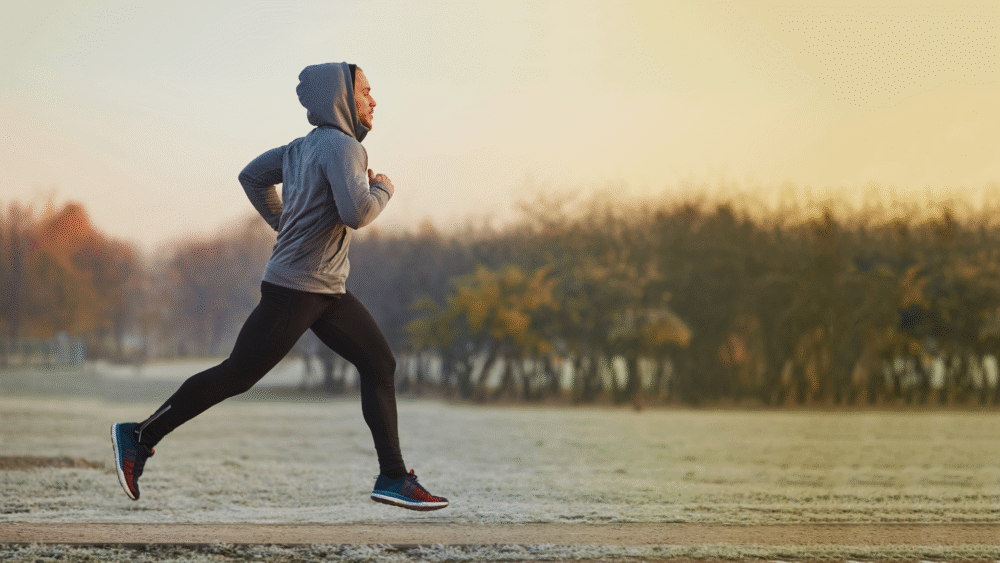
Traveling can disrupt even the most disciplined athletes’ routines. Staying active while on the road is not only possible, but it can also enhance performance and keep energy levels high. With the right strategies, maintaining fitness can seamlessly fit into any travel itinerary.
Incorporating workouts into travel plans requires some creativity and flexibility. Whether opting for hotel workouts, exploring new environments through outdoor activities, or utilizing local gyms, there are various options available. Making movement a priority helps to alleviate the stress of travel and keeps athletes focused on their goals.
Planning ahead is crucial. Researching available facilities and potential workout spots at the destination can provide valuable insights. By taking proactive measures, athletes can remain committed to their fitness journey, regardless of where their travels take them.
Planning an Effective Fitness Routine While Traveling
When traveling, maintaining a fitness routine requires strategic planning. By setting realistic fitness goals, creating a flexible workout plan, and adapting to vacation schedules, travelers can effectively stay active while enjoying their trips.
Setting Realistic Fitness Goals
Travelers should establish achievable fitness goals that align with their trip duration and available resources. Instead of aiming for an intense workout schedule, they can focus on consistency and moderate activity levels.
For example, committing to:
- 30 minutes of exercise three times a week.
- Incorporating local activities, like hiking or cycling, into the itinerary.
By adopting practical objectives, travelers can stay motivated without feeling pressured. Tracking progress, even if it’s just a simple checklist, can help maintain accountability during the trip.
Creating a Flexible Workout Plan
A flexible workout plan is essential for fitting exercise into a changing travel schedule. Travelers should prioritize short, effective workouts that can be done anywhere, such as bodyweight exercises or resistance band routines.
An example workout plan could include:
- Day 1: 20-minute HIIT session in the hotel room.
- Day 2: 30-minute jog exploring the local area.
- Day 3: Yoga or stretching routine to recover.
Using fitness apps can offer workout suggestions tailored to limited time and space. This approach allows for easily accommodating various travel circumstances.
Adapting to Vacation Schedules
Adjusting workout times can contribute significantly to maintaining an active lifestyle while traveling. Depending on the day’s itinerary, early morning or late evening workouts may be more feasible.
Travelers can also integrate exercise into sightseeing. Activities like walking tours or visiting parks provide excellent opportunities to stay active.
Additionally, they may consider:
- Scheduling workouts around sightseeing plans.
- Utilizing hotel fitness centers or local gyms with day-pass options.
Flexibility in timing and location helps ensure that physical activity remains a prioritized aspect of their travel experience.
Essential Bodyweight Exercises for Athletes on the Go
Staying active while traveling is crucial for athletes. Bodyweight exercises can be effectively performed anywhere without the need for equipment. The following techniques boost strength and maintain fitness levels during trips.
Push-Ups and Tricep Dips Techniques
Push-ups engage the chest, shoulders, and triceps. The athlete should start in a plank position, keeping the body straight from head to heels. Lower the body until the chest nearly touches the ground, then push back up. Variations include incline push-ups using a bench or decline push-ups with feet elevated for increased intensity.
Tricep Dips are excellent for targeting the triceps and improving arm strength. Using a stable surface, such as a low bench or chair, the athlete should place hands behind, fingers facing forward. Lower the body by bending the elbows at 90 degrees, and then push back up. To increase difficulty, they can extend the legs or add weight.
Squats, Lunges, and Calf Raises for Lower Body Strength
Squats are vital for developing overall leg strength, particularly the quads and glutes. The athlete stands with feet shoulder-width apart, squatting down until thighs are parallel to the ground. Keeping the chest up and back straight, they return to standing. Variations include sumo squats to target the inner thighs.
Lunges improve stability and balance while working the quads and glutes. The athlete should step forward with one leg, lowering the back knee toward the ground. They can alternate legs for a complete workout. Adding a twist at the waist enhances core engagement.
Calf Raises focus on the calves and can be performed anywhere. The athlete stands with feet hip-width apart and rises onto the balls of the feet, holding for a moment before lowering. Variations include single-leg calf raises for added challenge.
Planks and Core Muscles Activation
Planks are essential for core stability and strength. The athlete should position the body in a straight line on the ground, supported by elbows and toes. Holding this position for 30 seconds to 1 minute strengthens the core, shoulders, and back. Variations include side planks and plank jacks.
For core activation, other movements that can be included are mountain climbers and bicycle crunches. These exercises engage multiple muscle groups, enhancing overall core strength. Maintaining proper form while ensuring controlled movements will maximize benefits without risk of injury.
Integrating Cardio, Endurance, and Flexibility Training
Maintaining an active lifestyle while traveling involves integrating various forms of exercise. Cardio, endurance, and flexibility training can be achieved through simple workouts, outdoor activities, and practices like yoga. These methods ensure that fitness routines remain effective, even on the go.
Simple Cardio Workouts Without Equipment
Basic cardio workouts can be done anywhere without the need for equipment. High knees, jumping jacks, or burpees are excellent exercises that elevate the heart rate.
Suggested Routine:
- High Knees: 30 seconds
- Jumping Jacks: 30 seconds
- Burpees: 10 repetitions
- Rest: 30 seconds
Repeating this cycle three to four times can provide a robust cardio workout. These exercises help improve cardiovascular endurance and can be easily adjusted in intensity based on the individual’s fitness level.
Hiking and Outdoor Activities
Hiking is an excellent way to combine cardio with endurance training while enjoying nature. It offers varied terrains which can enhance leg strength and stamina.
Water sports also provide a great full-body workout that keeps you moving outside of a traditional gym. Spending a day on the water works your core, arms, and legs while you navigate the waves. Many travelers book Tamarindo fishing charters to combine physical activity with outdoor recreation.
Balancing on a moving boat engages your stabilizer muscles, and reeling in a catch requires real upper body strength. It is a fun way to stay active and experience a new environment at the same time.
Benefits of Hiking:
- Engages multiple muscle groups
- Boosts cardiovascular health
- Provides mental health benefits through exposure to nature
Before heading out, it’s essential to choose trails that match fitness levels. Carrying a backpack with water and snacks can enhance the experience and ensure hydration during longer hikes.
Yoga and Stretching for Recovery
Integrating yoga and stretching into a travel routine is vital for recovery. These practices enhance flexibility and help alleviate muscle tension from prolonged travel.
Key Yoga Poses:
- Downward Facing Dog: Improves flexibility and strengthens the upper body.
- Child’s Pose: Offers relaxation and stretches the back.
- Pigeon Pose: Opens the hips and relieves tightness.
A short 15-20-minute yoga session can be beneficial after workouts or long travel days. These techniques play a crucial role in maintaining mobility and preventing injuries while on the road.
Practical Strategies for Long-Term Health and Wellbeing
Traveling can disrupt an athlete’s routine, making it essential to implement effective strategies for maintaining both physical and mental health. Focusing on these elements keeps athletes performing at their best and promotes overall well-being.
Maintaining Mental Health on the Road
Mental resilience is crucial when traveling. Maintaining mental health involves consistent self-care practices such as mindfulness and stress management techniques.
- Mindfulness Techniques: Incorporate meditation, deep breathing exercises, or yoga into daily routines to foster calmness.
- Social Connections: Engage with fellow athletes or local fitness communities to reduce feelings of isolation.
- Routine Adjustments: Adapt daily schedules to include familiar activities that provide comfort and stability, such as morning runs or evening stretches.
Staying in tune with emotions helps athletes reset their mental state during busy travel days.
Physical Therapy and Injury Prevention
Injury prevention becomes a priority when an athlete’s routine changes. Incorporating physical therapy techniques can help minimize the risk of injuries.
- Warm-Up and Cool-Down: Always perform a thorough warm-up before physical activities and a cool-down after to promote flexibility and reduce injury risk.
- Regular Stretching: Use travel downtime for stretching. Simple exercises can alleviate tension caused by long periods of sitting.
- Consulting Professionals: Seek physical therapy advice before traveling to address any existing injuries or weaknesses.
By prioritizing physical health, athletes can enhance performance levels even when away from their usual environments.