
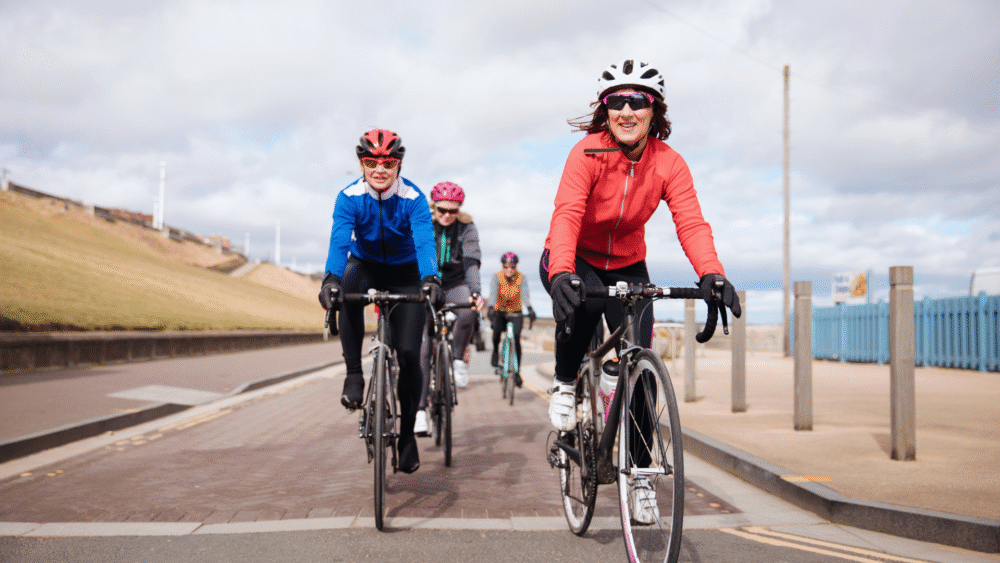
Engaging in outdoor activities provides significant benefits for both physical fitness and mental health. Regular participation in activities like hiking, cycling, or team sports not only improves physical well-being but also enhances mood and reduces stress. Nature has a unique ability to rejuvenate the mind, making outdoor environments effective settings for maintaining mental clarity and focus.
Research indicates that even short bouts of outdoor exercise can lead to increases in serotonin levels, which positively influence mood. Activities like yoga in a park or jogging on a nature trail not only elevate heart rates but also encourage mindfulness, further supporting mental health.
Furthermore, group activities foster social connections, which are essential for emotional well-being. By combining the benefits of physical activity with the calming effects of nature and social interaction, individuals can experience a holistic enhancement of their health. Engaging with the outdoors is a practical approach to improving the quality of life.
Core Outdoor Activities That Improve Fitness and Mental Health
Outdoor activities play a significant role in enhancing both physical fitness and mental well-being. Engaging in these activities promotes self-esteem and contributes to restorative sleep while providing exposure to natural light, which is beneficial for mental health.
Walking and Hiking
Walking and hiking are accessible forms of outdoor exercise that cater to various fitness levels. They can be performed in green spaces, promoting mental health benefits through exposure to nature.
Walking briskly is a moderate-intensity activity that can elevate heart rate, fostering cardiovascular fitness. Hiking engages additional muscle groups due to varying terrain, which increases the physical challenge.
Both activities produce endorphins, which uplift mood and reduce stress. Additionally, immersing oneself in natural settings during hikes contributes to improved mental clarity and emotional resilience.
Running and Jogging
Running and jogging are vigorous-intensity activities that significantly boost cardiovascular health. These exercises increase heart rate and improve overall stamina, contributing to better fitness levels.
Regular engagement in running has been linked to reduced symptoms of anxiety and depression. The rhythmic nature of running can be meditative, allowing individuals to clear their minds and enhance mental focus.
Jogging on trails or through parks allows individuals to connect with their environment, promoting feelings of happiness. The release of endorphins during these activities encourages a positive self-image and improves self-esteem.
Cycling and Biking
Cycling provides a low-impact option for cardiovascular fitness while minimizing joint stress. Riding in natural settings enhances the experience, allowing for a connection to the surroundings.
Individuals can choose between moderate or vigorous-intensity cycling, depending on their fitness goals. This flexibility makes cycling suitable for a broad range of users, from beginners to advanced athletes.
The mental health benefits of cycling include decreased stress and anxiety levels. Exposure to fresh air and sunlight boosts energy levels and can enhance mood, making it an effective outdoor activity for mental well-being.
Swimming in Natural Settings
Swimming in natural settings, such as lakes or oceans, combines the benefits of physical activity with the therapeutic effects of nature. This activity is low-impact, making it suitable for all ages and fitness levels.
Swimming elevates heart rate and improves cardiovascular fitness while providing an opportunity for individuals to experience serenity in natural surroundings. The refreshing water can help reduce feelings of stress and anxiety.
Time spent swimming outdoors also promotes restorative sleep. Studies indicate that exposure to natural light during these activities can enhance mood and increase overall energy levels.
Holistic Benefits of Outdoor Physical Activity
Engaging in outdoor physical activities provides numerous benefits for both mental and physical health. These activities foster resilience against stress and anxiety while promoting overall well-being.
Reducing Stress and Anxiety
Outdoor activities significantly reduce stress levels. Exposure to nature lessens cortisol, the body’s primary stress hormone. A study showed that walking in green spaces can lower anxiety and promote relaxation.
Regular participation in activities like hiking or cycling enhances emotional resilience. The rhythmic nature of these exercises, combined with fresh air, creates a calming effect.
Natural settings encourage mindfulness. Observing surroundings, sounds, and smells during outdoor activities enables individuals to focus on the present moment. This mental shift helps alleviate anxiety and contributes to improved mental health.
Boosting Happiness and Self-Confidence
Physical activities outdoors stimulate the release of endorphins, known as the “feel-good” hormones. This biological response fosters happiness and reduces feelings of depression.
Regular engagement in physical activity enhances self-confidence. Achieving fitness goals in an outdoor setting gives individuals a sense of accomplishment. This boost in self-esteem promotes a positive self-image and encourages further participation.
Social interactions in outdoor group activities also contribute to happiness. Humans have an innate need for social connection. Sharing experiences with others in nature can strengthen bonds and enhance community support.
Supporting Restorative Sleep and Energy
Outdoor physical activity plays a key role in promoting restorative sleep. Engaging in exercise increases the body’s ability to fall asleep and stay asleep longer. Exposure to natural light regulates circadian rhythms, which is vital for healthy sleep patterns.
Consistent outdoor activity leads to higher energy levels throughout the day. The combination of physical exertion and natural light invigorates the body, reducing fatigue and promoting overall vitality.
Individuals who exercise outdoors often report experiencing less daytime drowsiness. The mental clarity gained from physical activity can improve focus and productivity, offering a sustainable boost to daily energy levels.
Accessible Outdoor Activities for Every Age Group
Outdoor activities can be tailored to fit individuals of all ages, enhancing both fitness and mental well-being. These activities promote physical engagement while fostering social connections, making them ideal for families and communities.
Gardening for Mind and Body
Gardening offers therapeutic benefits for participants of all ages. Older adults can strengthen their muscles and improve flexibility through tasks such as digging, planting, and weeding. Children benefit by learning responsibility and patience as they care for plants.
The action of tending to a garden also provides mental stimulation, reducing feelings of loneliness. Engaging with nature encourages restorative sleep and improves mood. Local community gardens often bring people together, promoting social interaction across generations, making this a perfect activity for families. To get the most out of your time in the garden, the space itself needs to feel safe and relaxing. A bee or wasp nest nearby can quickly turn a peaceful activity into a stressful one, particularly for children and older adults. Having an emergency bee removal service Phoenix AZ or one located elsewhere, handle it promptly means your garden stays the calming retreat it’s meant to be.
Outdoor Yoga and Mindful Movement
Outdoor yoga combines physical exercise with the restorative effects of nature. It is accessible to all age groups, from children to older adults, allowing them to improve flexibility, balance, and strength while cultivating mindfulness.
Classes can be tailored for different skill levels, making it an inclusive activity. Practicing in natural environments reduces stress and promotes mental clarity. Sessions can also enhance social connections, as participants share a common goal, contributing positively to mental health through friendly interactions.
Family Activities and Social Interaction
Family-oriented outdoor activities encourage bonding and improve physical health. Hiking, biking, or playing sports like soccer offer ample opportunities for exercise while allowing families to spend quality time together.
Programs such as organized community picnics or outdoor games foster social interaction among families, reducing feelings of isolation. Involving children in these activities builds teamwork skills and instills a love for nature. Regular participation aligns with physical activity guidelines, ensuring that all age groups remain active and engaged.
Maximizing Wellbeing in Natural Environments
Engaging with nature fosters significant improvements in both mental health and physical fitness. The following sections highlight how green spaces can enhance well-being and strengthen individual resilience.
Benefits of Green Spaces and Nature Exposure
Spending time in green spaces provides numerous benefits for mental health. Nature exposure can lead to reduced levels of stress and anxiety. Studies show that outdoor activities, such as walking or jogging in parks, can lower cortisol levels, promoting a calmer state of mind.
Vitamin D is another important aspect of being outdoors. Exposure to sunlight enables the body to produce vitamin D, which is crucial for mood regulation and can diminish the risks of depression. Natural light also helps in improving sleep patterns, leading to better overall mental well-being.
Furthermore, green environments encourage outdoor exercise, which boosts physical fitness. Increased physical activity enhances self-esteem and contributes to improved mood, creating a positive feedback loop.
Building Resilience and Mental Wellbeing
Nature exposure plays a vital role in building resilience. It helps individuals cope better with challenges and improves adaptability to stress. Regular outdoor activities can strengthen one’s ability to handle anxiety and depression, leading to a more robust mental state.
In a natural setting, individuals often engage in mindfulness practices without even realizing it. Nature encourages awareness of surroundings, which can foster a sense of presence and peace. This leads to increased self-esteem and overall mental stability.
Additionally, social interactions in these settings can enhance support networks. Engaging in group activities, such as hiking or community gardening, promotes a sense of belonging, crucial for mental health. Overall, the combination of exercise, sunlight, and community in natural environments substantially boosts resilience and mental wellness.