
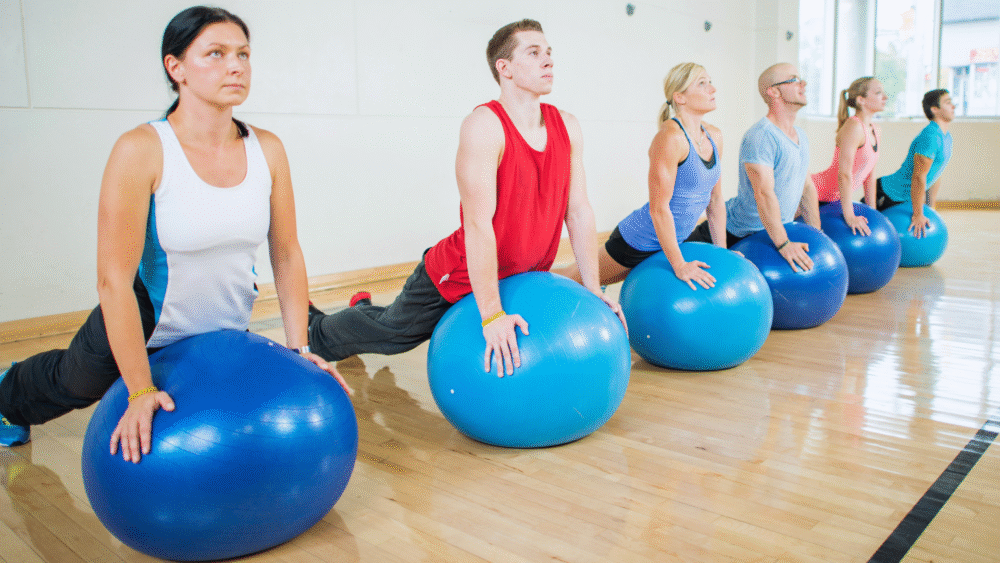
Group workouts offer a unique way to enhance one’s fitness journey while fostering a sense of community and support. The power of group workouts lies in their ability to motivate individuals, making exercise a more enjoyable and engaging experience. Participants often push each other to achieve their personal best, creating an environment where everyone benefits.
Incorporating social interaction into fitness routines can lead to improved well-being. People find inspiration from their peers, often leading to increased commitment and consistency in their workouts. Those who engage in group settings frequently report feeling more energized and accountable, which can significantly impact their overall success.
Additionally, group workouts can cater to various skill levels and fitness goals, making them inclusive. Whether it’s a high-intensity interval training class or a gentle yoga session, these workouts provide options for everyone. This versatility not only accommodates different preferences but also encourages individuals to step outside their comfort zones.
Benefits of Group Workouts
Group workouts offer a range of advantages that enhance the fitness experience. These benefits include improved motivation and accountability, opportunities for social interaction and support, and a diverse range of exercises that foster skill development.
Enhanced Motivation and Accountability
Engaging in workouts with a group can significantly boost motivation. When individuals exercise collectively, they often feel driven to push themselves harder. The presence of peers can inspire friendly competition and encourage participants to reach their goals.
Accountability becomes a crucial factor. Knowing that others expect them to show up creates a commitment that may not exist in solo workouts. This consistency can lead to better adherence to fitness routines and, subsequently, more effective results over time.
Social Interaction and Support
Group workouts provide an excellent platform for social interaction. Individuals often form new connections, fostering a sense of camaraderie among participants. These relationships can lead to lasting friendships that extend beyond the gym.
Support is another vital aspect. In a group setting, individuals share their challenges and achievements, creating an environment where encouragement flourishes. This shared experience can enhance happiness and satisfaction during workouts, making exercise more enjoyable.
Diversity in Exercise and Skill Development
Group fitness sessions often feature a wide variety of exercises. This diversity helps prevent workout monotony, keeping participants engaged and excited about their routines. It introduces individuals to new styles of training they might not explore on their own.
Skill development is also enhanced in group settings. Participants can learn from one another, share techniques, and receive feedback from instructors. This collaborative learning environment accelerates progress and fosters a deeper understanding of various fitness modalities.
Types of Group Fitness Classes
Group fitness classes offer diverse options to cater to various preferences and fitness objectives. Participants can engage in strength training, cardiovascular workouts, or mind and body practices, ensuring there’s something for everyone.
Strength and Conditioning
Strength and conditioning classes focus on building muscle and enhancing overall fitness. These sessions typically incorporate exercises like weightlifting, resistance training, and bodyweight movements.
Participants may encounter formats such as circuit training, which combines different exercises targeting various muscle groups. This approach improves strength, boosts metabolism, and promotes endurance.
Classes often use equipment such as dumbbells, kettlebells, and resistance bands. Trainers frequently adjust exercises to accommodate various fitness levels, ensuring everyone can participate safely and effectively.
Cardiovascular and High-Intensity Classes
Cardiovascular classes prioritize heart health and endurance through dynamic workouts. Spin classes are a popular choice, offering high-energy cycling sessions that mimic various terrains and intensity levels.
High-Intensity Interval Training (HIIT) is another engaging option. HIIT involves short bursts of intense exercise followed by brief recovery periods. This method maximizes calorie burn and improves cardiovascular fitness in a shorter time.
These classes often incorporate moves like jumping jacks, burpees, and sprints, providing variety and challenge. Participants experience increased energy levels and improved stamina through these high-impact workouts.
Mind and Body Classes
Mind and body classes emphasize balance, flexibility, and mental well-being. Yoga is one of the most recognized forms, combining physical postures with breathing techniques to enhance relaxation and strength.
Pilates is another effective option focusing on core strength and stability. Classes often use specialized equipment like reformers, enriching the workout experience and providing varied intensity levels.
These sessions create a calming atmosphere, offering individuals a chance to align their physical and mental health. They are suitable for all fitness levels, encouraging participants to find their rhythm and improve mindfulness.
Achieving Fitness Goals Together
Working out in groups fosters a supportive environment where individuals can reach their fitness objectives effectively. By setting shared goals and tracking progress, group members encourage each other’s consistency and motivate one another through collective energy.
Setting and Tracking Progress
Group fitness classes often begin with a clear outline of collective fitness goals. These objectives can range from weight loss targets to completing a specific number of workouts each week.
Participants can use tools such as:
- Fitness trackers: Monitor activity levels and progress.
- Shared logs: Record workouts and achievements in a central location.
Regularly assessing progress during classes creates healthy competition and allows members to celebrate milestones together. This sense of accountability enhances motivation, as each individual strives not just for personal success but also to contribute to group victories.
Celebrating Successes as a Community
Celebrating achievements is crucial in maintaining motivation within group workouts. When individuals reach their fitness goals, recognition can take various forms.
These may include:
- Social media shout-outs: Publicly acknowledging members’ progress.
- Group events: Hosting gatherings to honor fitness milestones.
Such celebrations foster a sense of community and build connections among participants. They reinforce the idea that each member’s success contributes to the group’s energy. This shared experience encourages ongoing engagement and further strengthens commitment to fitness objectives.
Structuring an Effective Group Workout
An effective group workout requires careful planning to ensure participants experience varied intensity levels, enjoy a balanced schedule, and incorporate essential warm-up and recovery sessions. By addressing these areas, fitness leaders can create engaging and beneficial experiences for their groups.
Creating a Balanced Schedule
A well-structured workout schedule ensures participants engage in a well-rounded fitness routine. Balance can be achieved by alternating between strength training, cardio, and flexibility sessions throughout the week.
For instance, a weekly schedule could look like this:
|
Day |
Focus |
|
Monday |
Strength Training |
|
Tuesday |
High-Intensity Cardio |
|
Wednesday |
Rest or Yoga |
| Thursday |
Strength Training |
| Friday |
HIIT |
|
Saturday |
Varied Class |
| Sunday |
Recovery |
By incorporating a variety of classes and movement styles, participants can maintain motivation while enhancing their overall health and fitness.
Incorporating Various Intensity Levels
To appeal to a broader audience, group workouts should include various intensity levels. This approach allows individuals to challenge themselves while also catering to those seeking a lighter workout experience.
For example, during a HIIT session, alternating between high and low-intensity intervals keeps the workout accessible for all fitness levels. A sample structure might involve:
- Warm-up: 5 minutes of light activity.
- High-Intensity Intervals: 1 minute work, 30 seconds rest.
- Moderate Intensity: 2 minutes of steady-paced movement.
- Cooldown: 5 minutes of stretching.
This variation not only keeps participants engaged but also helps them gain confidence as they progress at their own pace.
Importance of Warm-up and Recovery
In any group workout, warm-up and recovery are critical components that should not be overlooked. A proper warm-up prepares the body for physical activity, reducing the risk of injury.
Warm-up sessions can include dynamic stretches and low-intensity movements aimed at increasing blood flow to muscles. Recovery, on the other hand, allows participants to cool down, integrating stretching and hydration to support muscle repair.
Incorporating specific recovery practices, such as foam rolling or guided breathing exercises, can substantially enhance the overall workout experience. Prioritizing these elements promotes safety and ensures participants feel ready for future sessions.