
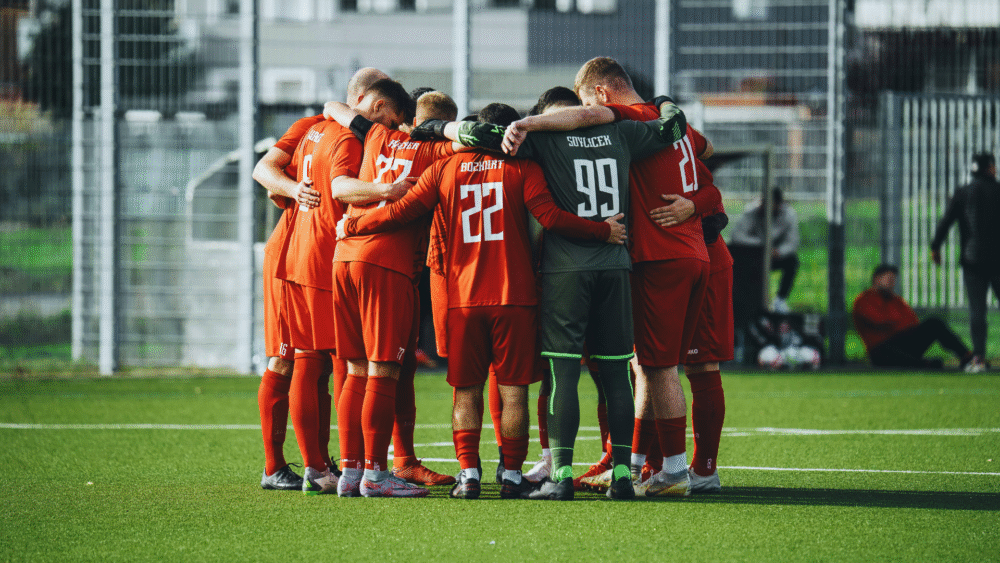
Team sports offer more than just a competitive edge; they play a significant role in enhancing mental health. Engaging in team sports can significantly reduce feelings of anxiety and depression while fostering a sense of belonging and community. This communal environment allows individuals to connect with others, providing emotional support that is vital for mental well-being.
Research has shown that physical activity, especially in a social setting, releases endorphins, which are natural mood lifters. The teamwork and camaraderie found in sports help build self-esteem and develop resilience. As individuals commit to a team, they not only improve their physical health but also cultivate important life skills that contribute to a healthier mindset.
For those looking to enhance their mental health, participating in team sports is an impactful and accessible option. The benefits extend beyond the playing field, promoting a balanced and fulfilling lifestyle.
How Team Sports Support Mental Health
Team sports provide numerous mental health benefits, including reducing symptoms of depression and anxiety, managing stress, building confidence, and fostering a sense of belonging. Participation in these activities can significantly enhance an individual’s emotional well-being.
Reducing Symptoms of Depression and Anxiety
Engaging in team sports can help alleviate symptoms of depression and anxiety. Physical activity triggers the release of endorphins, chemicals in the brain that elevate mood. Studies suggest that individuals involved in regular team sports experience lower levels of depressive symptoms.
Research indicates that participation in sports can lead to significant reductions in anxiety levels. When players collaborate, they develop a shared focus, which diverts attention from personal stressors. The positive social interactions fostered in teams further contribute to emotional stability.
Managing Stress Through Physical Activity
Participating in team sports serves as an effective method for managing stress. The combination of physical exertion and teamwork provides an outlet for stress relief. Exercise can lower cortisol levels, the hormone associated with stress.
Structured physical activity allows individuals to set goals and achieve them through regular practice and competition. This sense of accomplishment can significantly reduce stress and enhance overall mental health. The camaraderie formed in team settings also provides essential support during challenging times.
Building Confidence and Self-Esteem
Involvement in team sports positively impacts individual confidence and self-esteem. As athletes develop skills and experience success, their sense of self-worth grows. This improvement is linked to the achievement of individual and team goals.
Practicing techniques, improving performance, and receiving recognition from peers and coaches further enhance self-esteem. Participants learn to believe in their abilities, leading to increased resilience when facing life’s challenges. Positive reinforcement from teammates also plays a role in building confidence.
Creating a Sense of Belonging
Team sports create vital connections among participants. These connections foster a sense of belonging, which is crucial for mental health. Being part of a group helps individuals feel valued and supported.
The relationships formed in team sports can provide emotional backing for players facing mental health challenges. Engaging in regular practices and competitions helps develop strong bonds. This support network is essential in combatting feelings of isolation often associated with depression and anxiety.
Key Psychological and Social Outcomes
Participation in team sports significantly enhances mental well-being through improved focus, the cultivation of friendships, and a reduction in feelings of loneliness. These benefits can transform individuals, especially children and adolescents, by fostering an environment of cooperation and play.
Improving Attention and Focus
Engaging in team sports requires players to concentrate on various aspects of the game, from strategizing to executing plays. This environment sharpens their attention span over time. The fast-paced nature of sports helps athletes develop quick decision-making skills.
Research indicates that consistent participation in team activities can lead to improved cognitive functions. Players often report better focus in academic settings as well. By learning to prioritize tasks during a game, they can transfer these skills off the field.
Developing Friendships and Social Support
Team sports foster strong bonds among players, offering a unique platform for friendship development. Collaborative efforts during practice and games create a sense of unity and shared goals.
These interactions often lead to support networks, which are essential for emotional health. Solid friendships formed in sports can provide a reliable source of comfort during challenging times.
Kids learn to navigate social dynamics, improve communication skills, and develop empathy through teamwork. These experiences contribute to a well-rounded social life beyond the field.
Combating Loneliness
Loneliness can be a significant issue for many individuals, particularly children. Team sports provide an effective way to counteract feelings of isolation.
By participating in group activities, athletes engage with peers who share similar interests. This engagement can drastically reduce feelings of loneliness and boost self-esteem.
The environment of cheering teammates and shared victories enhances feelings of belonging. As players work together towards common goals, they learn the importance of community and support, further mitigating loneliness in their lives.
Team Sports Compared to Other Activities
Team sports offer distinct advantages over individual pursuits in terms of social interaction and emotional well-being. The communal aspect fosters connections that can enhance motivation and create a sense of belonging.
Team Sports Versus Individual Sports
Team sports, such as basketball and soccer, promote collaboration and camaraderie among participants. This social element can improve mental health by reducing feelings of isolation and loneliness. Engaging with teammates fosters a support system that encourages resilience and boosts self-esteem, and for those interested in following these and other sports across a wider region, resources like the Middle East Sports Network offer comprehensive coverage and community engagement.
In contrast, individual sports like tennis or swimming, while beneficial for physical fitness, may not provide the same level of social interaction. Athletes in these sports can still experience mental health benefits, yet they often rely on personal motivation to excel, which may vary more widely from one individual to another.
Comparing Team Sports with Activities Like Yoga and Running
Yoga and running emphasize personal achievement and mindfulness. While these activities can greatly reduce stress and enhance mental clarity, they often lack the group dynamic found in team sports.
Participating in team sports can combine physical exercise with social engagement, amplifying mental health benefits. For instance, team play increases motivation through accountability to others, which can be more compelling than the solitary nature of individual exercise routines.
In summary, while yoga and running offer significant benefits, team sports uniquely blend physical exertion with social support, making them particularly effective for mental health improvement.
Considerations and Challenges in Team Sports Participation
Participating in team sports presents several considerations and challenges that can impact mental health. Important factors include the risk of injury, performance-related stress, and the distinct needs of youth versus professional athletes.
Understanding the Impact of Injury and Burnout
Injuries in team sports can significantly affect mental state. Athletes often experience anxiety and depression following an injury due to the interruption of their routines and goals.
Burnout is another concern, particularly for those engaged in high-intensity sports. It can lead to emotional exhaustion and reduced motivation. Coaches and teammates should monitor for signs of burnout in athletes and ensure they have adequate recovery time.
Creating a supportive environment can assist in mitigating these negative impacts and maintaining mental well-being.
Addressing Performance Pressure and Mental Illness
The stress of performing well can lead to mental health issues. Athletes may face performance anxiety, which can worsen symptoms of mental illnesses such as posttraumatic stress disorder (PTSD) or attention-deficit/hyperactivity disorder (ADHD).
Support from coaches and mental health professionals is vital. Open discussions about performance anxiety and mental health challenges can help athletes find strategies to cope.
Implementing mental health resources within teams can create a healthier culture focused not just on winning but on overall athlete well-being.
Special Considerations for Youth and Professional Athletes
Youth athletes often require different considerations than professionals. Kids are still developing, both physically and mentally, making them more vulnerable to stressors. The expectations placed upon them can lead to serious psychological effects if not well managed.
Professional athletes might experience intense scrutiny and higher stakes that further elevate their stress levels. Tailoring support systems to meet the unique needs of each group can promote healthier outcomes.
Encouraging a balanced approach, where sports contribute positively to their lives, is crucial for both youths and professionals.
Associated Physical Health Benefits
Team sports also provide physical health benefits that indirectly support mental health. Regular participation contributes to reducing risks of cardiovascular disease, stroke, and even some forms of cancer.
Engaging in physical activity releases endorphins, which help improve mood and reduce anxiety.
Team camaraderie adds a social aspect that can further enhance emotional resilience and create a sense of belonging. These benefits make participation in team sports an appealing option for those aiming to improve both their physical and mental health.