
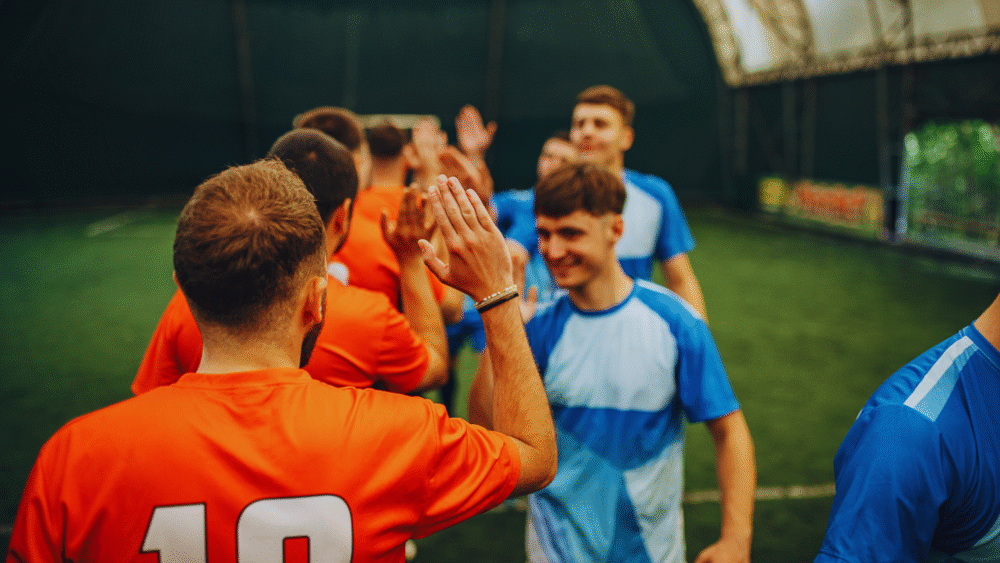
Sportsmanship is more than just a concept; it embodies respect, integrity, and camaraderie in both victory and defeat. The power of sportsmanship lies in its ability to foster teamwork and strengthen community bonds, transcending competition to promote personal growth. When athletes embrace sportsmanship, they not only improve their own character but also inspire those around them to act with honor and respect.
In a world where competition often reigns supreme, genuine sportsmanship serves as a reminder that success is not solely measured by wins but by how one approaches both challenges and adversaries. It encourages individuals to appreciate the spirit of the game, nurturing friendships and alliances that can last a lifetime. This foundation of mutual respect enriches experiences, allowing players to grow and learn together.
Moreover, sportsmanship can foster a sense of belonging within communities. It cultivates an environment where everyone feels valued and supported, leading to a more inclusive atmosphere for athletes. By putting sportsmanship at the forefront, individuals not only enhance their personal journeys but also contribute to a culture that celebrates unity and shared achievements.
Defining Sportsmanship and Its Core Values
Sportsmanship embodies a set of principles that guide behavior in athletic contexts. It emphasizes respect, integrity, and fairness, fostering a positive environment for all participants.
The Essence of Sportsmanship
At its core, sportsmanship represents an ethical code that transcends the game itself. It entails treating opponents, teammates, referees, and spectators with dignity and respect.
A key aspect of this essence is the acknowledgment of the game’s value beyond winning or losing. Athletes exhibit sportsmanship by celebrating achievements, understanding the effort involved, and appreciating the dedication of others, regardless of the outcome.
Respect and Integrity in the Game
Respect is foundational to sportsmanship. It encourages players to honor each other, the rules, and the spirit of the game. This respect fosters an environment where athletes compete fairly and ethically.
Integrity is similarly crucial; it requires participants to uphold their principles even under pressure. Players who act with integrity inspire trust and build a sense of community both on and off the field. This commitment to ethical behavior discourages unsportsmanlike conduct and promotes a culture of honor.
Fair Play and Honesty
Fair play is the cornerstone of competitive sports. It demands adherence to rules, ensuring each competitor has an equal opportunity to succeed. Athletes who prioritize fair play contribute to a level playing field, enhancing the integrity of the sport.
Honesty in sports encompasses transparency and accountability. Athletes must own their actions, whether they result in triumph or defeat. By embracing honesty, they not only elevate their own performance but also encourage others to follow suit, creating a virtuous cycle that enriches the entire sporting community.
The Impact of Sportsmanship on Players
Sportsmanship significantly shapes players’ experiences, affecting their character and personal growth. It fosters valuable traits such as maturity, discipline, and perseverance, which are essential both on and off the field.
Character Building and Personal Development
Engaging in sportsmanship cultivates essential character traits in players. It encourages respect for opponents, officials, and teammates, which fosters a sense of community and collaboration.
Players learn to handle both victory and defeat gracefully. This balance of emotions promotes maturity, teaching individuals to manage stress and develop resilience in challenging situations.
The importance of role modeling cannot be understated. Players who exhibit good sportsmanship serve as examples for younger athletes, reinforcing positive behavior and ethics in sports.
Life Lessons Beyond the Game
Sportsmanship teaches life lessons that extend beyond sporting events. Players learn the significance of teamwork and collaboration. Understanding how to work with diverse individuals is crucial in many aspects of life.
Discipline is another key lesson. Players who practice sportsmanship must adhere to rules and fair play, instilling a strong sense of accountability and responsibility.
These experiences also instill perseverance. Facing setbacks while maintaining respect encourages players to push through challenges, aiding in personal growth and development.
Fostering Unity and Positive Relationships
Sportsmanship plays a crucial role in fostering unity and building positive relationships. It creates an environment where teamwork thrives, respect is paramount, and a supportive community flourishes.
Teamwork and Collaboration
Teamwork is at the heart of any successful sports endeavor. It encourages individuals to work together toward a common goal. In this context, athletes learn the significance of communication, trust, and mutual support.
Effective teamwork enhances camaraderie among team members. When players collaborate, they not only improve their skills but also strengthen their bonds. This sense of unity extends to the entire organization, creating an environment where everyone feels valued and involved.
Respect for Opponents and Fans
Respect is fundamental in sports, not just for teammates but also for opponents and fans. Acknowledging the efforts of competitors fosters goodwill and fairness in play. Athletes who demonstrate respect can inspire others to do the same, promoting a positive atmosphere.
Fans also play a vital role, creating an energy that fuels performance. Recognizing their contributions helps build a rich connection between athletes and supporters. When athletes show appreciation for their audience, it enhances overall engagement and connection.
Developing a Supportive Community
A supportive community is essential for nurturing sportsmanship. It comprises not just players but coaches, fans, and local organizations. By encouraging open communication and shared values, communities can promote inclusivity and uplift individuals.
These relationships help in creating a sense of belonging. Programs focused on youth engagement can build strong foundations for future athletes. Additionally, regular community events encourage positive interactions that transcend sports, making the bonds even stronger.
Encouraging Positive Conduct in Sports
Promoting sportsmanship involves a collective effort from coaches, parents, and the broader community. Effective strategies can shape a culture where inclusivity and positive conduct thrive.
The Role of Coaches and Parents
Coaches and parents serve as primary role models for young athletes. Their behavior sets the tone for how players engage with each other and their opponents. Coaches should emphasize the importance of sportsmanlike conduct, integrating values such as respect and fairness into practice.
Parents play a crucial part in supporting these values. They should encourage their children to display positive behavior, both on and off the field. Open communication between coaches and parents fosters a unified approach to upholding these standards. Additionally, recognizing and rewarding good sportsmanship reinforces its significance.
Creating a Positive Environment for All
A positive environment in sports fosters teamwork and respect among players. Organizations should prioritize inclusivity, ensuring that all participants feel valued, regardless of their skill level. This also means addressing negative behaviors promptly and constructively.
Creating opportunities for players to engage in team-building activities can enhance camaraderie. These efforts promote mutual respect and encourage athletes to support one another. Events that showcase sportsmanlike conduct, such as awards for good behavior, can further solidify these ideals within the community.