
Incorporating adventure into daily life can transform routine exercise into exciting experiences. Exploring outdoor activities like rock climbing, hiking, or paddleboarding not only keeps one active but also breaks away from the comfort zone, leading to a more fulfilling and healthy lifestyle. Engaging with nature and taking on new challenges fosters both physical fitness and mental resilience.
Finding unique ways to stay active has become essential in a world where conventional workouts can feel monotonous. For those seeking adventure, options are limitless, ranging from zip-lining to participating in obstacle races. Individuals who embrace these opportunities often discover newfound passions that motivate them to maintain an active lifestyle.
The journey toward staying active should be enjoyable and invigorating. By seeking out adventurous activities, individuals can enhance their health while creating memorable experiences that go beyond traditional exercises. Whether it’s a weekend camping trip or an adrenaline-packed sport, the right adventures can serve as a powerful catalyst for continuous movement.
Exploring Outdoor Adventures for Fitness
Outdoor activities provide an engaging way to boost fitness levels while enjoying fresh air and nature. Hiking, cycling, and swimming are excellent options that not only enhance cardiovascular health but also promote balance and reduce stress.
Hiking: The Path to Cardiovascular Health
Hiking is accessible to various fitness levels and offers a dynamic workout. It engages muscles in the legs, core, and even the upper body, depending on the terrain.
- Benefits: Improves cardiovascular fitness, builds endurance, and enhances flexibility.
- Environment: Nature’s backdrop contributes to mental well-being.
Hikers should choose trails that match their skill levels. Bringing water and wearing appropriate footwear can prevent injuries. Consistent hiking, especially in varied terrains, strengthens the heart and lungs.
Cycling: Pedal Towards Fitness Goals
Cycling provides an effective low-impact option for cardiovascular exercise. This activity can vary from leisurely rides to intense cycling sessions.
Benefits:
- Strengthens the lower body, particularly the quadriceps, hamstrings, and calves.
- Helps improve balance and coordination.
Cyclists can explore urban areas or scenic routes to make workouts enjoyable. Using a stationary bike at home is also an option. Setting clear fitness goals, such as distance or time, can help maintain motivation.
Swimming: Dive into Physical Activity
Swimming is another viable option for those looking to stay active. It works for multiple muscle groups and is ideal for all fitness levels.
- Full Body Workout: Engages arms, legs, and core.
- Cardiovascular Health: Effective for enhancing heart and lung capacity.
With the buoyancy of water, many find swimming a comfortable alternative that minimizes the risk of injury. Regular swimming can aid in stress reduction and improve overall mood. Practicing different strokes can also maintain variety and challenge in workouts.
Finding Balance with Alternative Activities
Engaging in alternative activities can help individuals find balance in their fitness routines. These activities not only promote physical health but also enhance mental well-being. The following sections explore three effective options: yoga, martial arts, and dancing.
Yoga: Flexibility and Core Strength
Yoga is an effective way to increase flexibility and build core strength. It combines physical postures, breathing exercises, and meditation. Practicing different yoga styles can cater to various fitness levels, from gentle Hatha to more vigorous Vinyasa.
Benefits include improved posture, reduced stress, and enhanced concentration. Sessions typically emphasize alignment and stretching, making it ideal for muscle recovery. Participants often find themselves more relaxed and focused after class. Incorporating yoga into a weekly routine provides a solid foundation for overall physical activity.
Martial Arts: Coordination Meets Mental Health
Martial arts offer a unique blend of physical activity and mental discipline. Practices such as karate, judo, and taekwondo require agility, strength, and coordination. Each martial art has distinct techniques that help improve balance and reflexes.
Training enhances mental health by promoting self-confidence and stress relief. Participants learn self-control and focus, both of which are valuable skills in everyday life. Many martial arts classes also foster a sense of community, providing social interaction alongside physical fitness. Regular practice can lead to significant improvements in physical and mental well-being.
Dancing: Rhythmic Routes to Staying Fit
Dancing serves as an enjoyable way to stay active while expressing creativity. Styles such as ballet, hip-hop, and salsa offer diverse movements that engage various muscle groups. Dance classes often provide a fun atmosphere for participants of all skill levels.
Dancing enhances cardiovascular health, coordination, and flexibility. It can also be an effective stress reliever, as the rhythm and music encourage positive emotions. Participants often find that the social aspects of dancing contribute to a sense of belonging and motivation. Regular dance sessions keep individuals active while allowing them to explore different forms of movement.
Innovative Indoor Exercise Options
Indoor exercises can be both engaging and effective for staying active. Innovative activities like climbing walls, trampolining, and dance games provide unique ways to enhance fitness without needing outdoor space.
Climbing Wall: Challenge Your Limits
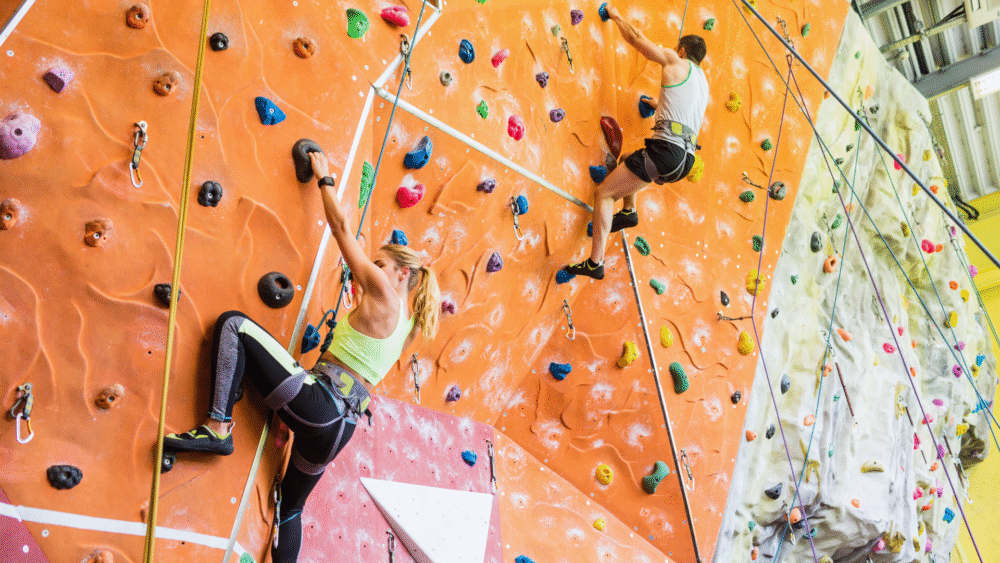
Climbing walls serve as an excellent indoor option for strength and endurance building. These walls replicate various climbing terrains, allowing individuals to tackle challenges at their own pace.
Participants can choose routes based on difficulty levels, fostering problem-solving skills and physical agility. Climbing engages multiple muscle groups, including the core, legs, and arms.
Most facilities offer classes or guided sessions for beginners to develop proper techniques safely. Equipment typically includes harnesses and climbing shoes, ensuring safety while climbing.
Trampolining: Jump Start Your Routine
Trampolining provides a fun and dynamic workout to boost cardiovascular health. Jumping on a trampoline activates several muscle groups while promoting coordination and balance.
This activity can be practiced individually or in group settings, making it a social experience. Many centers offer trampoline fitness classes that incorporate high-energy routines and even jump rope workouts.
Sessions often include games and friendly competitions to keep participants motivated. Given its low-impact nature, trampolining is accessible for various fitness levels, making it a versatile option for all.
Dance Games: Electronic Steps to Fitness
Active video games transform traditional fitness routines into lively, interactive experiences. Players engage in dance challenges that require physical movements, enhancing both coordination and rhythm.
These games are often designed to accommodate various skill levels and fitness goals. Many platforms offer a variety of genres, from hip-hop to Zumba, maintaining interest and motivation.
Additionally, dance games typically include features that track progress and calories burned, encouraging improvement. This innovative approach makes exercising enjoyable and helps individuals stay committed to their fitness journeys.
Integrating Adventure into Everyday Life
Incorporating adventurous activities into daily routines can significantly enhance an active lifestyle. Simple changes to commuting, weekends, and household chores can create engaging fun activities that motivate individuals to stay active.
Commuting with a Twist: Biking and Walking
Transforming daily commuting into an adventure can lead to a more active lifestyle. Biking to work, instead of driving, not only improves fitness but also reduces carbon footprints. Individuals can explore new routes, enjoy the fresh air, and even discover local parks.
Walking or biking to stores instead of using a car can help integrate physical activity into errands. For those who live close to work, a brisk walk might be refreshing. Incorporating slight variations, such as skipping a bus stop or taking longer routes, keeps the journey engaging.
Adventurous Weekends: Camping and Paddleboarding
Weekends present great opportunities to embrace adventure through activities like camping and paddleboarding. Camping trips allow individuals to reconnect with nature, hike trails, and engage in memorable campfire activities. This immersive experience promotes outdoor fitness while serving as a restorative getaway.
Paddleboarding is another exciting way to stay active. It combines balance, strength, and enjoyment on the water. Whether on a calm lake or a gentle river, paddleboarding offers a unique exercise while exploring scenic views. Many local outdoor centers rent boards, making the experience accessible.
Elevating Household Activities: Gardening and DIY Projects
Household chores can be transformed into enjoyable activities to promote fitness. Gardening is not only therapeutic but also physically demanding. Digging, planting, and weeding turn a standard task into a worthwhile workout.
DIY projects around the home can also foster activity. Whether it’s building a birdhouse or renovating a garden shed, hands-on projects require movement and creativity. Setting specific goals for these projects can help maintain motivation while enhancing physical engagement in everyday life.