
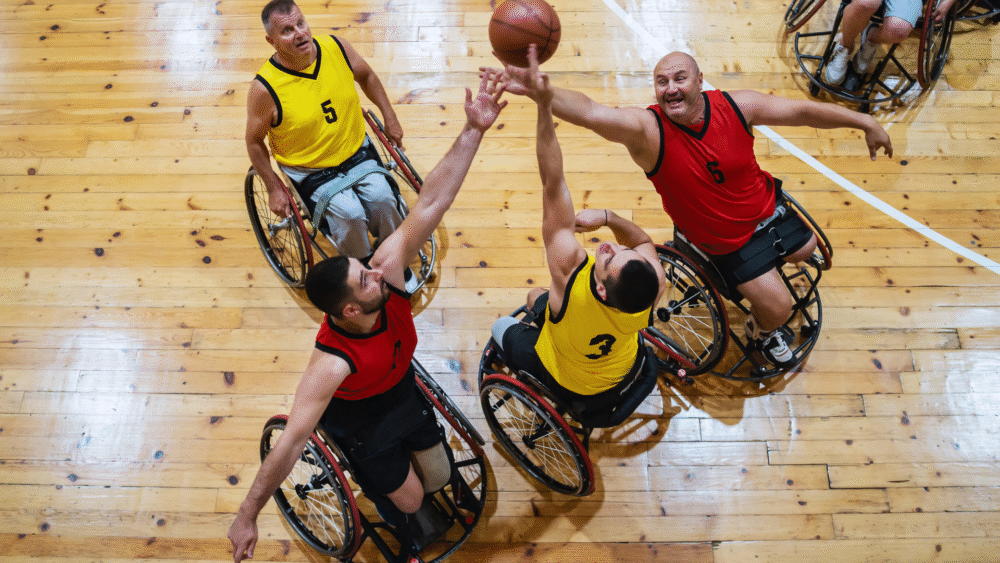
Adaptive sports create opportunities for people with disabilities to engage in physical activities tailored to their needs. These sports not only enhance fitness but also improve the quality of life by promoting inclusion and social interaction. With the right adaptive equipment and modifications, individuals with physical disabilities can participate in a variety of sports and recreational activities.
These adaptive activities range from wheelchair basketball to seated volleyball, demonstrating that physical limitations do not define one’s ability to be active. Many organizations and communities are dedicated to fostering participation and supporting athletes of all abilities. The empowerment derived from these experiences can lead to increased confidence and a sense of belonging.
The growth of adaptive sports emphasizes the importance of accessible facilities and resources. By prioritizing inclusion, society can ensure that everyone enjoys the physical and mental benefits of sports, regardless of their abilities. Sports not only serve as a platform for competition but also as a means to build camaraderie and lasting connections.
Understanding Adaptive Sports
Adaptive sports provide opportunities for individuals with disabilities to participate in competitive and recreational activities. These sports promote inclusion, physical fitness, and personal achievement across various disabling conditions.
Definition and Purpose
Adaptive sports are specifically designed for athletes with disabilities, ensuring participation in physical activities despite mobility limitations. They provide a platform for competition, allowing athletes to experience teamwork, sportsmanship, and individual accomplishment.
The purpose of adaptive sports extends beyond competition; it fosters community engagement and improves physical health. Increased autonomy and self-esteem are also benefits that participants often experience. Organizations like Move United work to create inclusive sports environments that encourage participation regardless of ability.
Categories of Adaptive Sports
Adaptive sports can be categorized into several types, based on the nature of the disabilities they address. These include:
- Wheelchair Sports: Basketball, tennis, and rugby are adapted for athletes using wheelchairs.
- Mobility Impairment Sports: Sports like sled hockey and adaptive skiing cater to those with lower-body mobility issues.
- Vision Impairment Sports: Goalball and blind soccer are designed for athletes with visual disabilities.
- Cognitive Impairment Sports: Events are modified to accommodate athletes with cognitive disabilities, enhancing inclusivity.
Each category allows for specialized equipment and adaptations, ensuring fair play and competitive integrity among athletes.
Major Adaptive Sports Events
Several prominent events showcase adaptive sports at an international level. The Paralympic Games are held every four years and represent the pinnacle of athletic competition for athletes with disabilities.
Similarly, the Special Olympics focuses on providing year-round sports training and competitions for individuals with intellectual disabilities. These events play a critical role in promoting awareness and acceptance of adaptive sports globally, demonstrating the remarkable capabilities of these athletes.
Various organizations, including national sports bodies and local clubs, support these events, fostering membership and volunteer opportunities.
Athlete Development in Adaptive Sports
Athlete development in adaptive sports focuses on creating pathways for participation, ensuring proper training, and promoting health benefits. These elements contribute to enhancing the quality of life for individuals engaged in adaptive sports.
Grassroots Programs and Participation
Grassroots programs play a crucial role in fostering participation in adaptive sports. These initiatives encourage student-athletes of all abilities to engage in physical activity, regardless of their disability. Organizations often provide introductory programs and resources to facilitate access to sports.
Adaptive sports programs typically emphasize inclusivity, allowing athletes to participate in various para-sports. These activities can range from wheelchair basketball to adaptive rowing. By creating supportive environments, grassroots initiatives help individuals build skills and confidence.
Moreover, community involvement is essential. Local organizations often partner with schools and recreational facilities to promote adaptive sports, making it easier for individuals to join.
Training and Fitness
Training in adaptive sports is tailored to meet the specific needs of athletes. Structured programs focus on skill development, technique, and fitness, allowing individuals to reach their full potential. Coaches familiar with adaptive training methods ensure that athletes receive appropriate guidance.
Physical fitness remains a key component of athlete development. Customized training regimens focus on improving strength, flexibility, and endurance. Athletes may engage in activities like resistance training and cardiovascular exercises to enhance performance.
Importantly, nutrition also contributes to success in adaptive sports. Understanding dietary needs allows athletes to fuel their bodies properly, supporting their training efforts and overall performance.
Health and Well-being Benefits
Participation in adaptive sports offers significant health and well-being benefits. Engaging in regular physical activity helps improve cardiovascular health, muscle strength, and flexibility. These health improvements boost athletes’ physical capabilities and enhance their overall quality of life.
Moreover, adaptive sports foster social connections. Athletes often find camaraderie in shared experiences, improving mental health and emotional resilience. These connections can lead to lasting friendships and support networks.
Finally, participation in adaptive sports promotes a sense of achievement. As athletes set and reach personal goals, their self-esteem and confidence increase, positively impacting their mental health.
Accessibility and Inclusion
Accessibility and inclusion in adaptive sports are vital for fostering participation among individuals of diverse abilities. This involves ensuring that adaptive equipment is readily available, creating inclusive communities, and securing the necessary funding to support these initiatives.
Adaptive Equipment and Modifications
Adaptive equipment plays a crucial role in making sports accessible to individuals with disabilities. Specialized wheelchairs, handcycles, and adaptive skis cater to different needs, allowing for participation in various sports. Innovations like modified bicycles and flotation devices for swimmers enhance opportunities for those with mobility challenges.
Additionally, modifications can be made to standard equipment, such as using specialized grips or sizes. This versatility ensures that athletes, regardless of their abilities, can perform at their best. Awareness of the available adaptive equipment can lead to increased participation and engagement.
Creating Inclusive Communities
Building inclusive communities requires awareness and education regarding adaptive sports. Organizations can foster inclusiveness by hosting events that promote diversity, allowing individuals with disabilities to connect through sports. Opportunities for training volunteers and coaches can further enhance understanding and support for athletes.
Community awareness programs can shine a light on adaptive sports and its benefits, breaking down barriers and stereotypes. They encourage public and private entities to collaborate and create accessible facilities. Building inclusive environments not only empowers athletes but also enriches the entire community.
Role of Grants and Funding
Grants and funding are essential for the growth and sustainability of adaptive sports programs. Financial support from organizations, foundations, and government entities can facilitate the purchase of adaptive equipment and resources for training. These funds can also be used to enhance facilities, ensuring they meet accessibility standards.
Research shows that increased funding leads to greater participation in adaptive sports. Programs designed for cross-disability participants can flourish with the right financial backing. Access to grants enables communities to provide valuable opportunities and resources for all, reinforcing the commitment to inclusion and diversity.
Adaptive Sports by Type
Adaptive sports encompass a variety of activities designed for individuals with disabilities. Each type of sport offers unique opportunities for participation and competition, catering to different abilities and interests.
Wheelchair Sports
Wheelchair sports include a diverse range of activities that enable athletes with mobility impairments to compete at high levels. Common examples are wheelchair basketball, where teams compete on a standard basketball court, and wheelchair rugby, known for its contact and fast-paced action.
Participants can also enjoy wheelchair tennis and adaptive cycling, which involve modified equipment that allows athletes to engage fully. These sports not only promote athletic skills but also encourage social interaction and community engagement among participants.
Vision-Impaired Sports
Sports for individuals with visual impairments include unique adaptations to facilitate participation. Goalball is a standout example, played by teams who rely on audio cues from a specially designed ball to score goals. This sport emphasizes teamwork and communication.
Para swimming and adaptive swimming are also prevalent, offering accessibility through guides and modified techniques. Other options include sitting volleyball, where players compete with a focus on agility despite limited mobility, creating inclusive competitive environments.
Sledge Hockey and Wheelchair Curling
Sledge hockey is a thrilling variation of ice hockey, where players sit on sledges and use sticks to propel themselves and control the puck. This sport requires a combination of speed, strategy, and teamwork, making it exciting for both participants and spectators.
Wheelchair curling also highlights precision and teamwork. Athletes propel stones across the rink while seated, showcasing skills in strategy and execution. Both sports are featured in major competitions, including the Paralympics, promoting awareness and enthusiasm for adaptive athletics.
Equestrian and Water Sports
Adaptive equestrian and water sports present unique opportunities for skill development and enjoyment. In adaptive equestrian, individuals with disabilities ride and interact with horses, often benefiting from the therapeutic elements of the activity.
Kayaking and adaptive surfing allow for accessible engagement with water sports. These activities can be tailored to various skill levels, making them inclusive. Participants often experience a sense of freedom and empowerment, enhancing physical and mental health through these recreational opportunities.