
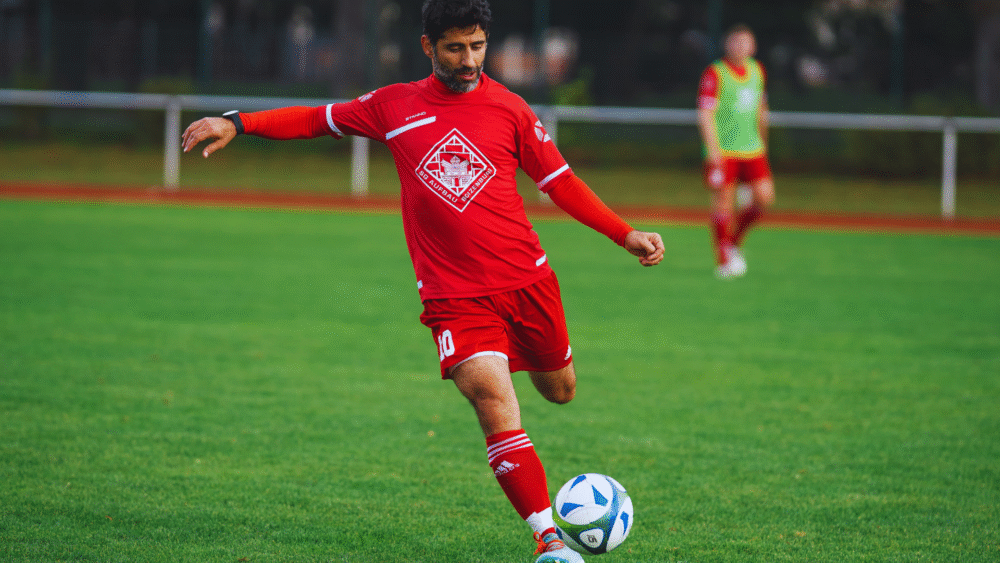
Athletes often face challenges that extend beyond physical training, with psychological factors playing a crucial role in sports performance. Understanding the psychology of sports performance can significantly enhance an athlete’s ability to compete at their best. Mental skills such as focus, motivation, and resilience are essential components that contribute to success in any sport.
Performance psychology explores how an athlete’s mindset can impact their physical abilities. Applied sports psychology focuses on practical strategies to develop these skills, helping athletes manage pressure and maintain concentration. By harnessing mental strengths, athletes can improve their game, outperform competitors, and achieve their goals.
Foundations of Sport Psychology
Sports psychology focuses on the mental factors that affect athletic performance. It encompasses techniques for enhancing motivation, concentration, and resilience, contributing to overall success in sports.
Understanding the Mental Aspects of Sports Performance
Mental skills play a crucial role in sports performance. They include focus, confidence, motivation, and mental resilience. Athletes often experience high levels of stress and anxiety, which can impede their ability to perform optimally.
Effective stress management techniques are essential. These may involve mindfulness, visualization, and self-talk strategies to enhance concentration and reduce anxiety. Additionally, developing mental toughness allows athletes to persevere through challenges and setbacks.
Research indicates that psychological training can lead to improved performance metrics. Athletes who engage in structured mental skills training report higher levels of confidence and reduced performance anxiety.
Role of a Sports Psychologist
A sports psychologist specializes in enhancing athletic performance and mental well-being. Their expertise encompasses various areas, including enhancing psychological skills and addressing mental health issues.
Sports psychologists assist athletes in developing coping strategies for stress management and performance enhancement. They work on fostering mental toughness, gauging athletes’ readiness, and improving focus during competition.
By employing evidence-based approaches, these professionals help athletes achieve their performance goals. They may utilize techniques grounded in open science to ensure that their methods are valid and reliable. Collaboration with coaches and teams enhances the overall effectiveness of sports psychology interventions.
Key Psychological Skills for Athletes
Athletes benefit greatly from various psychological skills that enhance their performance. Developing these skills can lead to improved focus, confidence, and overall mental resilience during competition.
Developing Focus and Concentration
Focus and concentration are critical for athletes. They must learn to block distractions and maintain attention on their performance. Techniques to foster this skill include mindfulness and meditation.
Athletes can practice focusing on a single task or aspect of their performance, such as their breathing or the rhythm of their movements. Visualization techniques, where athletes mentally rehearse their actions, can also sharpen focus.
Creating a consistent pre-performance routine helps establish a mental state conducive to concentration, reinforcing the ability to stay present.
Effective Goal-Setting Strategies
Setting clear, achievable goals helps athletes channel their motivation. Goals should follow the SMART criteria: Specific, Measurable, Achievable, Relevant, and Time-bound.
This structured approach allows athletes to track their progress effectively. Breaking larger goals into manageable short-term objectives can boost confidence and keep motivation high.
Regularly reviewing and adjusting goals based on performance feedback ensures continued growth and development. Positive self-talk during this process reinforces an athlete’s commitment to their goals.
Building Confidence and Self-Belief
Self-confidence is vital for optimal performance. Athletes can cultivate confidence through successful experiences, rigorous training, and positive reinforcement.
Regular practice reinforces skills, which enhances self-belief. Visualization plays a significant role; athletes who visualize success often perform better.
Incorporating positive self-talk before and during events also contributes to building confidence. Phrases like “I am prepared” or “I am capable” can significantly impact an athlete’s mindset.
Relaxation and Arousal Regulation Techniques
Athletes must manage their arousal levels to perform at their best. Excessive anxiety can hinder performance, while too little arousal may lead to disengagement.
Deep breathing techniques help athletes calm their nerves effectively. These techniques can lower heart rates and increase focus. Progressive muscle relaxation is another strategy that aids in reducing tension.
Establishing a pre-performance routine helps regulate arousal. Consistently employing these relaxation techniques prepares athletes mentally and physically for competition.
Advanced Techniques in Sports Performance Psychology
Advanced techniques in sports performance psychology encompass various strategies aimed at enhancing an athlete’s mental skills and overall performance. These techniques promote psychological well-being and equip athletes with the tools necessary for peak performance.
Engaging in Mindfulness and Visualization
Mindfulness practices help athletes focus their attention and manage performance anxiety. Techniques like mindfulness-based stress reduction (MBSR) improve emotional regulation and enhance concentration.
Visualization is a powerful adjunct. Athletes can employ imagery techniques to mentally rehearse successful performances. This approach not only builds confidence but also establishes a mental blueprint for executing skills during competition.
Regular practice of both mindfulness and visualization can cultivate a heightened sense of awareness, enabling athletes to remain present in high-pressure situations.
Cognitive Behavioral Interventions
Cognitive Behavioral Therapy (CBT) techniques can effectively address negative thoughts that hinder performance. By identifying and challenging irrational beliefs, athletes can develop more constructive thought patterns, enhancing their mental resilience.
Interventions might include structured routines for self-talk and goal-setting. Athletes learn to reframe their thoughts, transforming doubt into confidence. This approach also tackles performance anxiety through systematic desensitization strategies, helping athletes become more comfortable in competitive settings.
CBT not only aids in performance enhancement but also contributes to long-term psychological well-being.
Psychological Preparations for Peak Performance
Mental preparation is critical for achieving peak performance. This can include developing personalized routines that incorporate relaxation techniques, such as biofeedback and deep breathing exercises.
Athletes can also benefit from setting specific, measurable goals that align with their performance objectives. Consistent practice of these psychological strategies leads to improved focus, reduced anxiety, and enhanced readiness for competition.
Through comprehensive mental preparation, athletes position themselves to perform at their best when it matters most.
Application and Outcomes in Sport Psychology
Sport psychology applies various techniques to enhance athletic performance and support athlete well-being. This field encompasses case studies, team dynamics, and rehabilitation strategies that contribute to a successful sporting environment.
Case Studies and Experimental Research
Research in sport psychology employs case studies and experimental studies to assess performance outcomes. For example, athletes often engage in mental conditioning programs that utilize stress inoculation techniques. These help them manage competition-related anxiety.
A meta-analysis of multiple studies revealed that athletes who adopt these practices tend to achieve higher performance levels. Additionally, systematic reviews highlight the significant correlation between mental fortitude and athletic excellence. This underscores the importance of a psychological approach to training.
Monitoring and Enhancing Team Dynamics
Effective team dynamics are crucial for success in team sports. Techniques such as team cohesion exercises and open communication foster a supportive environment. Enhanced team dynamics lead to improved self-regulation and collective performance.
Research indicates that teams with robust psychological support structures experience reduced levels of burnout. Team leaders can monitor individual and group mental health to address stressors before they escalate. This proactive approach is vital for maintaining high performance.
Injury Rehabilitation and Athlete Well-Being
Injury rehabilitation requires a multifaceted approach that includes psychological support. Techniques like hypnosis can be utilized to aid recovery and enhance an athlete’s mental resilience. This holistic perspective allows athletes to focus on both physical and emotional healing.
Evidence suggests that athletes with psychological support during rehabilitation report higher levels of well-being. They are also less likely to experience stress related to performance anxiety post-injury. Comprehensive recovery programs encompassing mental and physical health are essential for sustaining an athlete’s career.