
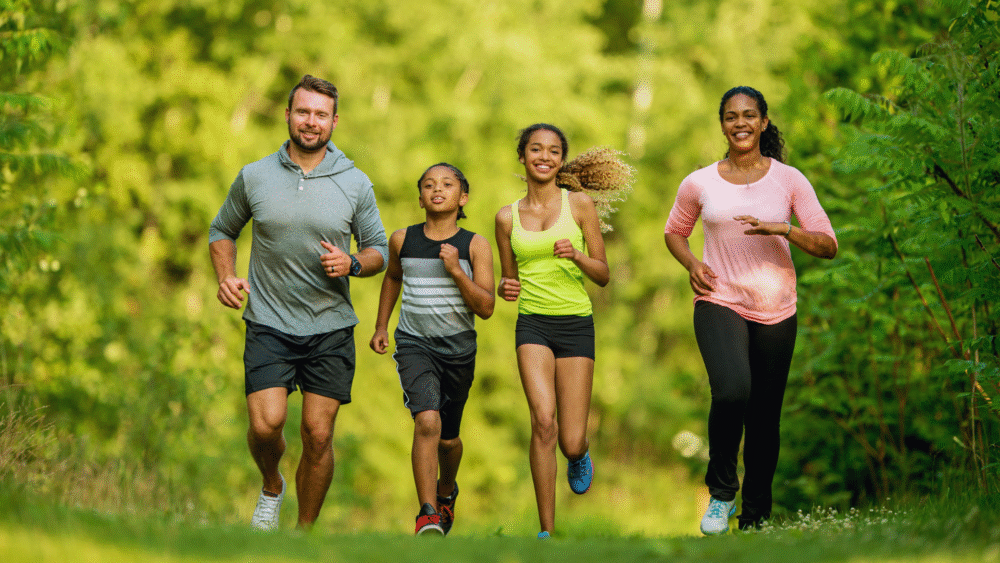
Finding enjoyment in fitness can be a challenge for many, but it is essential for promoting lifelong well-being. Incorporating fun into physical activity makes fitness appealing to all ages, encouraging a healthier lifestyle. When exercise becomes enjoyable, individuals are more likely to stick with their routines and reap the benefits of regular activity.
Engaging in diverse activities not only enhances enjoyment but also fosters social connections. Group classes, family-friendly workouts, or playful outdoor games inspire collaboration and camaraderie. This shared experience boosts motivation and makes fitness a memorable part of one’s day.
By introducing a variety of fun fitness strategies, everyone can discover avenues that resonate with their interests. Emphasizing playfulness and creativity in fitness routines nurtures not just physical health but also mental resilience, benefiting the whole family.
Why Making Fitness Fun Matters for All Ages
Creating enjoyable methods for physical activity is essential for promoting well-being across all age groups. When fitness is fun, individuals are more likely to engage, maintain energy levels, and cultivate a lifelong habit of exercising.
Benefits of Enjoyable Physical Activity
Engaging in enjoyable physical activity can enhance both physical and mental well-being. When individuals find joy in their workouts, they are more likely to sustain participation. Fun workouts boost motivation and reduce the likelihood of burnout.
In children, playful activities foster social skills and teamwork. For adults, enjoyable fitness can relieve stress and improve mood. Older adults benefit from fun activities through better physical health and enhanced social connections.
Challenges in Keeping Exercise Engaging
Despite the benefits, maintaining engagement in fitness can be challenging. Individuals may experience boredom from repetitive workouts or lack of variety in exercises. This may lead to decreased motivation and lower adherence to physical activity routines.
Different age groups have unique needs. For children, this may involve games or sports. For older adults, it might mean low-impact activities that are enjoyable yet safe. Finding the right balance is crucial to maintaining interest and enthusiasm.
The Impact on Long-Term Well-Being
Fun fitness activities can play a significant role in long-term well-being. Enjoyment is linked to higher levels of commitment. This sustained engagement leads to improved physical health and a reduction in health risks associated with inactivity.
Incorporating fun into fitness can also foster positive relationships. Community-based activities can enhance social interactions, contributing to mental health. Long-term engagement is vital for maintaining energy levels and overall vitality at any age.
Top 5 Fun Fitness Activities for Every Age Group
Engaging in fitness activities can be a joyful experience for individuals of all ages. Incorporating playfulness and community can enhance motivation and enjoyment in staying active.
Transforming Exercise into Playful Activities
Instead of traditional workouts, transforming exercise into playful activities can attract different age groups. Obstacle courses are effective; they can be set up with simple household items or at parks. Children enjoy the challenge, while adults appreciate the fun aspect.
Jump rope sessions offer a nostalgic element for all ages. They can be done individually or in pairs, creating a sense of competition or cooperation. Dance parties also serve as an energetic workout. Everyone can join in, moving to different musical styles and inviting self-expression.
Family-Friendly Fitness Challenges
Family fitness challenges create an environment of teamwork and bonding. These challenges can include a series of physical activities, such as relay races or scavenger hunts. Engaging all family members fosters a healthy lifestyle and strengthens relationships.
Incorporating elements like yoga into family workouts promotes flexibility and relaxation across ages. Families can participate together, helping each other achieve balance and mindfulness. Setting fitness goals, such as distance walking as a collective, encourages everyone to stay active together.
Incorporating Group Workouts
Group workouts are ideal for creating a sense of community and accountability. Classes that focus on dance or aerobics cater to varied skill levels. Everyone can participate while having fun, regardless of their fitness background.
Team sports are another option that encourages participation across generations. Games like volleyball or soccer can involve children and adults alike, bringing a competitive spirit to fitness.
Community events can also host fun runs or fitness festivals. They provide opportunities for social interaction while promoting a healthy lifestyle, making fitness a communal experience rather than a solitary one.
Creative Ways to Make Fitness Engaging
Fitness can be transformed into an enjoyable experience through various engaging activities. By connecting fitness with nature or incorporating social elements, individuals of all ages can find motivation and energy in their routines.
Outdoor Adventures: Hiking, Running, and More
Outdoor activities like hiking and running provide refreshing alternatives to traditional workouts. They offer a chance to explore nature while engaging in cardiovascular exercise.
Hiking trails can cater to varying skill levels, making it accessible for families or groups with differing abilities. Many parks and nature reserves offer organized hikes, allowing participants to socialize and motivate each other. Running clubs or community events, such as fun runs, also encourage teamwork and accountability.
Participants can set challenges, such as distance goals or completing trails within a specific time frame, fostering a sense of achievement. Additionally, the benefits of fresh air and scenic views enhance the overall experience.
Combining Fitness with Social Activities
Combining fitness with social activities allows for a more enjoyable approach to staying active. Group classes, such as Zumba or yoga, can create a community atmosphere that inspires individuals to keep attending.
Social sports leagues, including softball or soccer, not only promote physical activity but also build friendships. Participants often find higher motivation levels when competing or playing alongside others.
Events like community swim days can encourage families to engage in physical activity together in a fun setting. Organizing weekend fitness challenges or group walks in the park can also help build connections while promoting a healthy lifestyle. The social aspect makes fitness feel less like a chore and more like a rewarding experience.
Establishing Healthy Fitness Habits for Life
Creating enduring fitness habits is crucial for maintaining strength, well-being, and energy regardless of age. Fostering a positive mindset and actively measuring progress can significantly enhance motivation and overall commitment.
Motivation Techniques for All Ages
To keep motivation high across different age groups, incorporating variety into fitness routines is key. This could include activities like dancing, swimming, or group classes, which can make exercising enjoyable.
Setting specific, achievable goals helps, too. For instance, aiming to walk a certain number of steps daily or complete a specific workout each week can provide a clear focus.
Using rewards can reinforce positive behavior. Families might set up a reward system, such as a fun outing or a special treat, for achieving fitness milestones and making the journey more engaging.
Measuring Progress and Celebrating Success
Tracking progress is essential in establishing healthy habits. Individuals can use fitness apps or journals to log workouts and monitor improvements.
Performance indicators might include increased stamina, strength enhancements, or simply feeling more energetic throughout the day.
Celebrating achievements, no matter how small, is vital. This could involve sharing successes with friends or family, or even treating oneself to new workout gear.
Recognizing these milestones fosters a sense of accomplishment, encouraging continued efforts and reinforcing the importance of fitness in everyday life.