
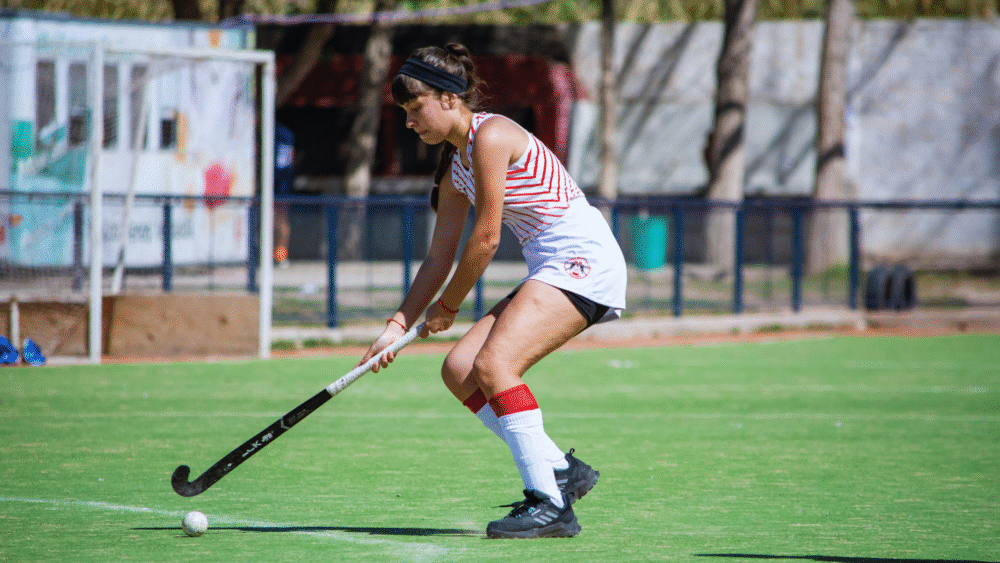
Hockey is more than just a fast-paced sport; it offers valuable lessons that translate into everyday life. From teamwork to resilience, the principles taught on the ice can guide individuals in various situations. Understanding how to navigate challenges, adapt to changing circumstances, and work collaboratively can significantly enhance personal and professional development.
Players learn to face adversity head-on, whether it’s overcoming a difficult game or bouncing back from a setback. This mindset fosters a strong sense of determination and encourages individuals to persevere through obstacles in their daily lives. Skills like effective communication and strategic thinking are also essential for success on the rink and can be applied to achieve goals beyond the sport.
By observing the dynamics of a hockey game, one can glean insights into the importance of collaboration and support in achieving common objectives. The lessons learned from hockey provide a framework for better interpersonal relationships, improved problem-solving, and a proactive approach to tackling life’s challenges.
Building Strong Life Skills Through Hockey
Hockey provides a unique environment for players to cultivate essential life skills. The sport instills values like discipline, resilience, and teamwork, which transfer to various aspects of daily life.
Discipline and Commitment
Playing hockey requires a high level of discipline and commitment. Players must adhere to rigorous training schedules and maintain peak physical condition. This commitment often entails sacrificing personal time and social activities.
Successful athletes set goals, both short-term and long-term. They develop routines that promote consistency. By focusing on skill development and game strategies, they learn the importance of persistence and hard work in achieving success.
The discipline learned in hockey serves players well beyond the rink. In academics or careers, this steadfast commitment can drive individuals to reach their full potential.
Many fans find that their connection to the sport grows through collecting memorabilia. This hobby often starts with a few packs of cards and turns into a serious pursuit of rare items. People look for specific players or years that have historical meaning to the game.
Learning about the most valuable hockey cards helps fans understand the market and the history of their favorite athletes. It is a way to preserve the legacy of the sport while building a personal collection. This interest in the past often mirrors the dedication players show on the ice.
Resilience in the Face of Challenges
Hockey teaches players how to face adversity with resilience. The nature of the sport means that losing is inevitable. Players encounter setbacks through injuries, difficult games, or team dynamics.
Learning to bounce back from these experiences fosters mental toughness. It amplifies the importance of maintaining a positive attitude despite challenges. Players often develop problem-solving skills as they navigate tough situations.
Such resilience extends into everyday life. Whether overcoming obstacles in the workplace or managing personal relationships, the skills honed on the ice prepare individuals to handle difficulties effectively.
Teamwork and Collaboration
Hockey emphasizes teamwork and collaboration at every level. Players must communicate effectively and work together to achieve common goals. Each member of the team plays a specific role, which highlights the significance of individual contributions.
In practice, players learn to rely on each other’s strengths and compensate for weaknesses. This sense of interdependence fosters trust and respect among teammates. It also teaches the value of shared success versus individual achievement.
These teamwork skills are invaluable in real-world situations. In professional settings, the ability to collaborate with diverse groups can lead to innovative solutions and enhanced productivity.
Translating Hockey Leadership Into Daily Success
Hockey leadership offers valuable insights that can be applied to everyday situations. Effective leadership, goal-setting, and clear communication play vital roles in achieving personal and professional success.
Leading By Example On and Off the Ice
In hockey, leaders are often expected to set the standard for behavior and performance. They emphasize work ethic, dedication, and integrity, which can be mirrored in daily life.
When a player consistently trains hard and respects team rules, they influence teammates to emulate that behavior.
- Traits of an Effective Leader: Integrity, resilience, and accountability.
By embodying these values, individuals can inspire others in their communities, workplaces, and personal lives. This influence fosters a positive environment, paving the way for collective success.
Goal Setting and Achieving Results
Successful hockey teams rely on clear, strategic goals aligned with their vision for success. Players and coaches work together to set both individual and team goals, creating a roadmap for achievement.
This practice can be easily translated into daily life.
- SMART Goals: Specific, Measurable, Achievable, Relevant, Time-bound.
By applying the SMART framework, individuals can outline their objectives, track progress, and celebrate achievements.
Setting benchmarks allows for accountability and measurable growth, much like a hockey team progressing toward a championship.
Communication for Effective Teamwork
Clear communication is fundamental in hockey, where decisions must be made rapidly. Leaders foster open lines of dialogue, ensuring that every member understands their role and responsibilities. This principle is crucial in daily interactions as well.
Tips for Effective Communication:
- Actively listen.
- Share information transparently.
- Provide constructive feedback.
Incorporating these communication strategies enhances collaboration within teams at work and in other group settings.
Just as a successful hockey team requires cohesive communication, individuals can achieve more when they engage and communicate effectively with others around them.
Overcoming Adversity and Maintaining Motivation
In hockey, athletes often face obstacles that test their resilience and determination. Strategies used by players, especially goalies, can offer valuable lessons for maintaining motivation through challenges encountered in daily life.
Learning From Failure and Setbacks
Failure is part of growth in hockey. Goalies experience bad games, missed saves, and lost matches. These setbacks are opportunities for reflection and improvement.
By analyzing mistakes, they can identify areas for growth. Adopting this mindset helps individuals understand that failures are not the end but rather stepping stones to success.
Drawing on feedback from coaches and teammates can further enhance development. Each setback should be viewed as a chance to learn and adapt, reinforcing the importance of perseverance.
Staying Motivated Through Daily Challenges
Daily challenges can feel overwhelming, but a hockey mindset emphasizes the importance of motivation. Successful NHL players maintain focus on their goals and use setbacks to fuel their drive.
Establishing a routine helps athletes and individuals alike build discipline. Setting small, achievable targets leads to a sense of accomplishment, which boosts motivation.
Visualization techniques are also effective. Imagining success in various scenarios prepares individuals for the tasks ahead. This approach cultivates mental strength and fosters a proactive attitude towards challenges, encouraging them to push through adversity.
Applying Hockey Values and Routines to Everyday Life
Hockey instills values and routines that translate remarkably well into daily life. From fostering healthy habits to emphasizing community and personal growth, these elements can enhance individual performance off the ice.
Establishing Healthy Habits and Workouts
A key aspect of hockey is the commitment to physical fitness. Players maintain rigorous workout routines that include strength training, cardio, and agility drills.
Incorporating a workout plan inspired by hockey can improve health and stamina.
- Consistency is crucial. Just as athletes train regularly, individuals should aim to establish a routine they can follow.
- Goal setting helps track progress and keeps motivation high.
For instance, a player might set specific targets for endurance or strength, which can easily be adapted to personal fitness goals.
Community and Responsibility
Hockey also emphasizes the importance of community and teamwork. Successfully playing in a team requires understanding one’s role and being accountable to others.
Engaging in community activities enriches personal life.
- Team involvement can create strong relationships, enhancing social networks.
- Volunteering shows a commitment to collective well-being, mirroring the responsibilities players hold towards their teammates.
Participation in local events, such as fundraisers or youth sports mentoring, fosters responsibility and connection, just like a hockey team operates.
Recruitment and Personal Growth
Recruitment in hockey isn’t just about talent; it’s also about character. This focus on personal development can be applied to everyday life.
Learners should adopt similar strategies in their growth journeys.
- Seek feedback and use it constructively, just as players would during tryouts.
- Networking helps build essential connections, akin to how players leverage relationships to advance in their careers.
Individuals can benefit from engaging with mentors and experts in their fields, mirroring the recruiting process that emphasizes not only skills but also values and potential.