
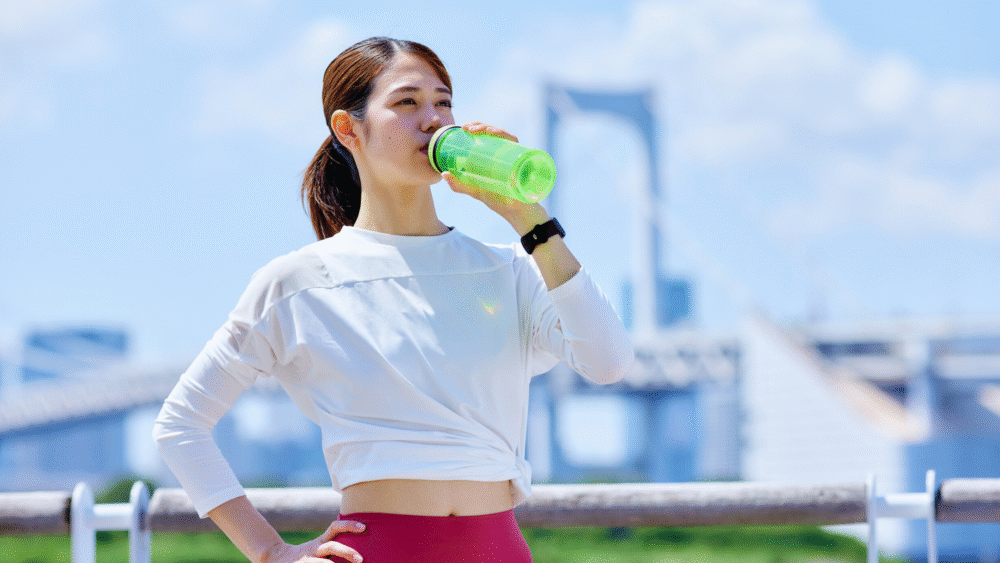
Hydration plays a crucial role in maximizing athletic performance. Athletes who maintain proper hydration not only enhance their physical capabilities but also improve their decision-making and reaction times during competition. Dehydration can lead to fatigue, decreased strength, and impaired coordination, all of which can hinder an athlete’s ability to perform at their best.
Many athletes underestimate the importance of fluid intake, often waiting until they feel thirsty to drink. This can be detrimental, as even mild dehydration can significantly impact endurance and strength. Implementing a hydration strategy before, during, and after exercise can help athletes sustain their performance levels.
Understanding the body’s needs for hydration is essential for optimal athletic performance. Keeping track of fluid loss, electrolyte balance, and the timing of fluid intake can make a tangible difference in an athlete’s results. By prioritizing hydration, athletes can not only enhance their performance but also support overall health and longevity in their sport.
The Science Behind Hydration and Athletic Performance
Hydration plays a crucial role in athletic performance, influencing various physiological functions. Understanding fluid balance, the importance of electrolytes, and the effects of dehydration is essential for athletes aiming to enhance their performance.
Fluid Balance and Water Regulation
Fluid balance is vital for athletes, as it involves the regulation of water intake and loss. The body maintains homeostasis through a complex system involving thirst mechanisms and hormone signaling, specifically through the antidiuretic hormone (ADH).
Key factors affecting fluid balance include:
- Sweat loss: During physical activity, sweat loss can significantly affect hydration status.
- Water intake: Adequate fluid intake before, during, and after exercise is necessary to sustain performance and support recovery.
Optimal hydration helps maintain core temperature, supports joint lubrication, and ensures nutrient transport within the body.
Electrolytes and Their Role in Muscle Function
Electrolytes, such as sodium, potassium, and magnesium, are crucial for proper muscle function and hydration. These minerals help regulate nerve impulses and muscle contractions, affecting performance levels.
Sources of electrolytes include:
- Sports drinks
- Fruits and vegetables (e.g., bananas for potassium, spinach for magnesium)
- Salty snacks for sodium replenishment
A balanced intake of electrolytes is necessary to avoid muscle cramps and to support optimal hydration. Electrolyte balance affects overall hydration status and body temperature regulation during exercise.
Dehydration and Its Impact on Performance
Dehydration negatively affects athletic performance by impairing endurance, strength, and cognitive function. Even a 2% loss in body weight due to fluid loss can reduce performance and lead to increased fatigue.
Key effects of dehydration include:
- Increased core temperature: Heightened body temperature impacts thermoregulation.
- Decreased physical capabilities: Impaired athletic performance results from reduced blood volume, affecting cardiovascular function.
- Increased perception of effort: Athletes may feel fatigued more easily when dehydrated.
Monitoring hydration status through methods such as urine color and body weight can help athletes maintain optimal fluid levels for peak performance.
Hydration Strategies for Peak Athletic Performance
Ensuring adequate hydration is crucial for athletes aiming to achieve peak performance. The strategies outlined below address customized fluid needs, optimal timing for hydration, and how to monitor hydration status effectively.
Customized Fluid Needs for Athletes
Athletes have unique hydration requirements based on factors like body weight, training intensity, and environmental conditions. They should calculate their individualized fluid needs by considering their sweat rate and activity duration.
A common method to estimate sweat loss is as follows:
- Weigh before and after exercise: The difference in weight reflects fluid loss.
- For every pound lost: Replace with approximately 16-20 ounces of fluid.
Hydrating foods, such as fruits and vegetables, can also contribute to fluid intake.
Timing and Methods for Maintaining Hydration
Proper timing of fluid intake is key. Athletes should drink water regularly throughout the day rather than trying to compensate only during exercise.
Recommended strategies include:
- Pre-exercise: Drink 17-20 ounces of water 2-3 hours prior.
- During exercise: Consume 7-10 ounces every 10-20 minutes.
- Post-exercise: Rehydrate with 16-24 ounces for every pound lost.
Using handheld water bottles can facilitate consistent intake during training.
Signs of Hydration Status and Monitoring
Monitoring hydration levels is essential for maintaining peak performance. Athletes can check hydration status through simple methods, such as observing urine color.
- Clear or light yellow: Indicates good hydration.
- Dark yellow or amber: Suggests dehydration.
Additionally, athletes should be attentive to symptoms like fatigue, dizziness, or decreased performance, which may indicate fluid imbalance. Keeping track of sweat rate and making adjustments to fluid intake based on activity intensity further aids in maintaining optimal hydration.
Hydration, Nutrition, and Performance Outcomes
Adequate hydration and nutrition are critical components influencing athletic performance. They not only affect endurance and recovery but also impact cognitive function and muscle performance during exercise.
Electrolyte and Nutrient Interactions
Electrolytes, such as sodium, potassium, and calcium, play a vital role in muscle function and hydration. When athletes sweat, they lose these essential minerals, which can lead to an electrolyte imbalance. This imbalance directly affects muscle performance and overall recovery.
- Sodium helps maintain fluid balance and supports nerve function.
- Potassium aids in muscle contractions and regulates heartbeat.
- Calcium is crucial for muscle contractions and nerve functioning.
To mitigate these effects, athletes often benefit from electrolyte supplements, particularly during high-intensity training or endurance sports like running and marathons. Adequate carbohydrate intake can further help sustain energy levels and replenish glycogen stores.
Hydration’s Effect on Endurance and Recovery
Hydration significantly impacts endurance performance and recovery time. Proper fluid intake before, during, and after exercise helps maintain blood volume and regulate heart rate. This is essential for optimal performance, particularly in long-distance events.
Dehydration can lead to a decline in physical performance, affecting stamina and muscle glycogen utilization. Studies show that even a 2% loss in body weight due to dehydration can impair performance.
Post-exercise hydration ensures effective recovery, reducing muscle soreness and facilitating nutrient transport. Recovery drinks that contain carbohydrates and electrolytes can expedite this process, helping athletes restore energy and hydration levels quickly.
Cognitive and Physiological Impacts
Hydration also influences cognitive function and decision-making abilities during competition. Dehydration can impair concentration, leading to decreased mental performance and potentially affecting athletic outcomes.
Physiologically, adequate hydration supports energy production and metabolism. It helps maintain optimal blood viscosity, ensuring efficient oxygen transport throughout the body. Improved hydration not only supports endurance sports but also enhances muscle recovery and general mental health.
Ensuring proper hydration and nutrient intake is essential for athletes aiming to maximize both performance and cognitive function.
Risks of Improper Hydration in Athletes
Hydration is crucial for athletes, impacting their performance and health. Understanding the risks associated with improper hydration, including dehydration, overhydration, and the influence of caffeinated beverages, is vital for maintaining optimal performance.
Consequences of Dehydration
Dehydration can lead to serious performance declines. Even a loss of 2% body weight from fluid loss can affect endurance, strength, and cognitive function. Symptoms may include fatigue, dizziness, and decreased coordination.
Electrolyte imbalance often accompanies dehydration. It disrupts sodium levels, affecting muscle contractions and leading to cramps or spasms. In extreme heat and humidity, these risks intensify, making it essential for athletes to monitor hydration closely.
Preventing dehydration involves proactive strategies. Athletes should establish regular fluid intake before, during, and after exercise, adjusting for temperature and exercise intensity. Recognizing early signs of dehydration can mitigate risks and promote better overall performance.
Dangers of Overhydration and Hyponatremia
While dehydration poses risks, overhydration presents its own dangers. Consuming excessive fluids can dilute sodium levels in the bloodstream, leading to hyponatremia. This condition can result in symptoms such as headache, confusion, seizures, and in severe cases, coma.
Athletes must balance fluid intake to avoid both dehydration and overhydration. Awareness of personal hydration needs during training and competition is crucial. Monitoring weight before and after exercise can help guide appropriate fluid replacement strategies.
Understanding the signs of hyponatremia can aid in prevention. Athletes are advised to consume electrolyte-enhanced beverages, especially during prolonged exercise to maintain sodium levels effectively.
Impact of Caffeine and Energy Drinks
Caffeine and energy drinks are prevalent in athletic circles, sometimes offering performance benefits. However, excessive consumption can lead to dehydration. Caffeinated beverages may increase urine output, exacerbating fluid loss during physical activity.
Athletes should consider their caffeine intake relative to hydration needs. Moderate consumption may enhance performance, while large amounts can contribute to dehydration and increased heart rate.
Energy drinks often contain high sugar levels that can lead to energy crashes and may not effectively replace lost fluids. Understanding the composition of these drinks helps athletes make informed choices regarding hydration strategies during performance.