
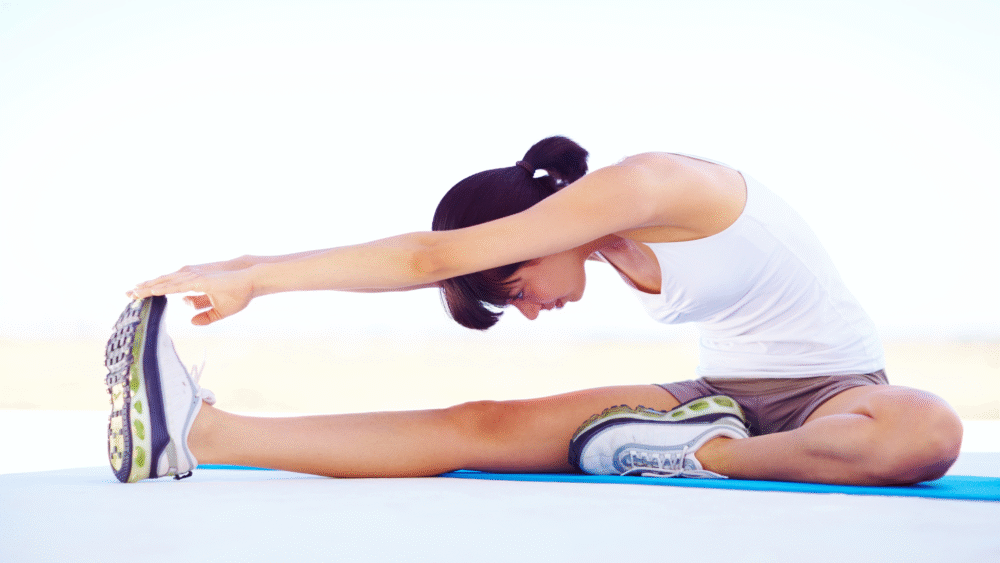
Warm-ups and cool-downs are essential components of any sports regimen, often overlooked by athletes and fitness enthusiasts alike. Research shows that proper warm-ups increase blood flow to the muscles, enhance flexibility, and significantly reduce the risk of injury. Equally important, cool-downs help in the gradual recovery process, easing the transition from intense activity to rest while aiding in muscle recovery and reducing soreness.
Understanding the physiological benefits behind these practices can elevate an athlete’s performance and longevity in their sport. Participating in a well-structured warm-up prepares the body for exertion, while a thoughtful cool-down can prevent potential complications associated with abrupt halts in activity.
Exploring the science behind these routines reveals not only their importance but also the optimal strategies for incorporating them effectively into any training program.
Physiological Mechanisms of Warm-Ups
Warm-ups are essential for preparing the body for physical activity. They involve several physiological mechanisms that enhance performance and reduce the risk of injury. Key mechanisms include increasing blood flow, enhancing flexibility, and preparing the nervous system for the demands of exercise.
Increasing Blood Flow and Heart Rate
During a warm-up, blood flow to the muscles increases significantly. This process is facilitated by a rise in heart rate, which helps pump oxygen-rich blood to target areas.
Higher blood flow supports muscle temperature elevation. The enhanced temperature improves enzymatic activity, which is crucial for energy production.
As blood vessels dilate, nutrients and oxygen become more readily available to active muscles, promoting endurance and efficiency.
Enhancing Muscle and Joint Flexibility
Warm-up activities increase the extensibility of muscles and connective tissues. Temperature increases within the muscles contribute to this enhanced flexibility.
Dynamic stretches and movements engage joints, preparing them for an increased range of motion. Elasticity improves, which aids in the performance of complex movements and reduces injury risk.
This preparation is vital for activities requiring agility, allowing athletes to perform better and execute precise movements.
Neurological Preparation for Exercise
Warm-ups engage the central nervous system, enhancing communication between the brain and muscles. This neurological activation prepares the body for rapid movements, improving reaction times.
Motor pathways become more efficient, allowing for better coordination during intense exercise. The warm-up process primes reflexes and anticipatory responses, which are essential for sports requiring quick changes in direction.
Enhanced focus and mental readiness further improve performance, enabling athletes to engage optimally in their activities.
Types and Techniques of Warm-Ups
Warm-ups are essential for preparing the body for physical activity. Two primary techniques are dynamic stretching and sport-specific preparation, both aimed at enhancing performance and reducing injury risk.
Dynamic Stretching and Movement Drills
Dynamic stretching involves controlled movements that increase blood flow and flexibility. These stretches mimic the actions of a workout or sport, helping muscles prepare for exertion.
Examples include:
- Leg Swings: Forward and sideways to loosen hip joints.
- Walking Lunges: Engages the lower body and improves balance.
- High Knees: Elevates the heart rate while activating core muscles.
Incorporating movement drills like carioca or side shuffles further enhances coordination and agility. These exercises help activate major muscle groups while preparing the neuromuscular system for dynamic actions.
Sport-Specific Preparation
Sport-specific preparation tailors warm-up routines to the demands of a particular activity. This focuses on movements specific to the sport being performed, ensuring that athletes engage the necessary muscles.
For instance:
- Basketball: Dribbling drills coupled with shooting practice.
- Soccer: Passing drills and sprinting the length of the field.
- Tennis: Short court rallies to warm up the upper body and refine hand-eye coordination.
By simulating the sport’s conditions, athletes can improve their readiness and mental focus. Utilizing these techniques allows them to transition smoothly from warm-ups to intense competition.
The Role and Science of Cool-Downs
Cool-downs play a vital role in athletic performance and recovery. Implementing a proper cool-down routine can enhance recovery, lower heart rate safely, and manage muscle soreness effectively. This structured approach is crucial for athletes seeking to maintain optimal performance levels over time.
Promoting Recovery and Reducing Fatigue
Cool-downs facilitate a gradual transition from high-intensity activity to rest. This process aids in the removal of metabolic waste products, such as lactic acid, which accumulate during exercise. By engaging in light aerobic activities, athletes can promote blood flow, enhancing nutrient delivery to muscles.
A well-structured cool-down can help prevent post-workout fatigue, allowing muscles to recover more rapidly. Techniques may include walking or gentle cycling for about 5 to 10 minutes. This active recovery helps to ensure athletes feel refreshed rather than drained after intense workouts.
Lowering Heart Rate Safely
After vigorous exercise, it is essential to lower the heart rate safely. A cool-down allows for a controlled decrease in heart rate, reducing the risk of dizziness, fainting, or cardiovascular stress. Gradual cessation of physical activity assists the body in adjusting to a resting state more effectively.
Engaging in moderate activities, such as stretching or light jogging, can help facilitate this process. This measure ensures that heart rate and blood pressure decrease gradually rather than abruptly, promoting cardiovascular health.
Managing Muscle Soreness and Flexibility
Muscle soreness is a common outcome of intense exercise, often referred to as delayed onset muscle soreness (DOMS). A cool-down routine can mitigate this discomfort by enhancing circulation and promoting flexibility. Stretching at the conclusion of a workout can preserve muscle elasticity, which is crucial for injury prevention.
Incorporating static stretches targeting major muscle groups can enhance recovery. Stretching should ideally last for 15 to 30 seconds per muscle group. This practice not only reduces the likelihood of soreness but also aids in maintaining a full range of motion.
Stretching Protocols and Their Impact
Effective stretching protocols play a crucial role in enhancing athletic performance and recovery. This section focuses on the specific types of stretching and their related effects in the context of cool-downs and the balance between aerobic activity and flexibility.
Static Stretching in Cool-Downs
Static stretching involves holding a stretch for a designated period, typically 15-60 seconds. This method is commonly used in cool-down routines to improve flexibility and reduce muscle tension post-exercise. By elongating muscle fibers, static stretching may promote relaxation and aid in reducing soreness.
Studies indicate that incorporating static stretching at the end of workouts can improve overall flexibility over time. Additionally, it may help mitigate muscle stiffness and assist in muscle recovery. Key stretches include hamstring stretches, quadriceps stretches, and shoulder stretches.
Benefits of Static Stretching:
- Enhances joint range of motion
- Reduces muscle tension
- Aids recovery
Balancing Aerobic Activity and Flexibility
Integrating aerobic activity within a stretching routine is essential for maintaining overall fitness. Engaging in low to moderate-intensity aerobic exercise before and after stretching helps prepare muscles for movement and promotes cardiovascular health.
Studies suggest that combining aerobic activity with stretching enhances blood flow, which is vital for muscle recovery. Maintaining a balance between these two aspects can lead to improved performance and reduced injury risk.
Key Points for Balance:
- Warm up with light aerobic exercises for 5-10 minutes before stretching.
- Include both flexibility training and aerobic sessions in weekly workout plans.
- Aim for at least 150 minutes of aerobic activity per week, alongside regular stretching.
This balanced approach ensures athletes remain flexible while supporting overall health.