
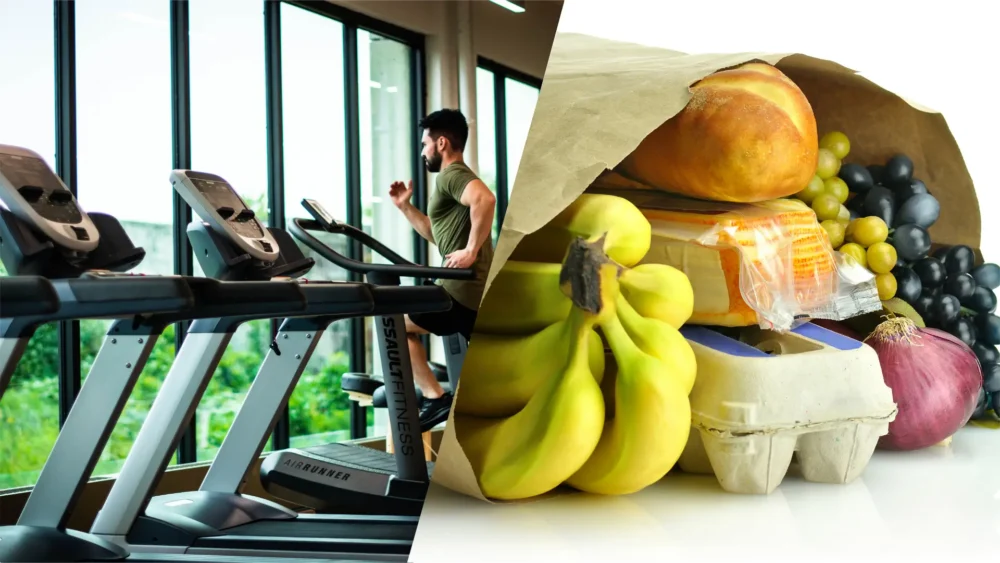
In today’s world of wearable fitness trackers, protein-packed smoothies, and productivity hacks, the line between sport and lifestyle is getting increasingly blurry. For everyday athletes—those who might hit the ice after work or squeeze in a gym session before breakfast—sports aren’t just a hobby; they’re a mindset. And that mindset is quietly transforming everything from how they eat and dress to how they approach their relationships and careers.
The Rise of the Everyday Athlete
Gone are the days when only professional athletes lived with intense focus on training and recovery. Now, office workers, teachers, and even stay-at-home parents are structuring their lives with the same kind of discipline once reserved for elite sports. For many, playing hockey on weekends or joining a weekly spin class isn’t just about staying in shape—it’s a lifestyle choice rooted in identity, values, and self-respect.
“I started playing recreational hockey to stay fit after college,” says Sarah, a 33-year-old marketing manager in Toronto. “But over time, it changed how I live my whole life. I eat better, sleep earlier, and even plan my week more efficiently because I want to show up strong for my games.”
Training Discipline Off the Rink
That same discipline used in sports—setting goals, following routines, pushing through discomfort—naturally translates into everyday life. Whether it’s waking up early for a 6 a.m. run or meal-prepping for the week ahead, athletes often develop systems that serve them far beyond the field or rink.
One of the most significant shifts comes in time management. Athletes quickly learn that preparation is everything. “I treat my week like I treat my training schedule,” says Anil, a software developer and weekend hockey goalie. “If I’m not planning my meals, scheduling workouts, or setting aside downtime, I burn out—just like I would if I skipped warm-ups and went straight into a game.”
This structured approach often boosts productivity and focus at work. Many employers now recognize the value of hiring former athletes or those engaged in serious amateur sports because they bring dedication, teamwork, and a long-game mentality.
Food as Fuel
Another lifestyle change influenced by sports? Nutrition. The phrase “food is fuel” may sound cliché, but it’s the cornerstone of any athlete’s routine. What begins as a way to improve performance soon becomes a sustainable way of living.
“I used to just eat whatever was quick,” says Bryan, a 29-year-old who plays in a local hockey league. “But once I started seeing how my energy levels dropped when I ate badly before a game, I started making smarter choices all week long.”
Smoothies packed with protein, anti-inflammatory ingredients like turmeric, and hydration habits that would make a coach proud are now common in the kitchens of people who may never go pro—but still train and live with intent.
The Athleisure Aesthetic
Let’s not forget how the culture of sport has seeped into fashion and home life. Athleisure—once a niche trend—is now a global phenomenon. Yoga pants, performance tees, and sleek sneakers are staples in the wardrobes of people who may not hit the gym every day but want to embody the lifestyle.
“It’s about feeling active, even when you’re not in motion,” says Katie, who designs athletic-inspired home decor. “My space reflects calm energy, discipline, and movement—kind of like a locker room meets spa.”
From foam rollers and mini trampolines in the living room to fitness trackers monitoring everything from sleep to stress, the aesthetics and values of sports are reshaping what we consider a “healthy home.”
More Than Physical: The Mindset Shift
Perhaps the most significant change, though, is mental. Sports encourage grit, resilience, and the ability to bounce back from failure. These traits, once developed on the court or rink, often influence how people handle real-life challenges—be it career setbacks, relationship struggles, or personal doubts.
“When you’ve trained yourself to keep skating even when you’re exhausted, you learn that discomfort isn’t a reason to stop,” says Sarah. “It becomes part of how you face life.”
Many lifestyle athletes also adopt mindfulness and recovery practices—like yoga, meditation, and breathwork—not just to improve performance, but to build emotional resilience. These practices help balance the intensity of training with moments of rest and clarity.
The New Normal
In a time when burnout is a common complaint and people are craving structure, balance, and purpose, the sports-inspired lifestyle offers a compelling model. It’s not about having six-pack abs or training for the Olympics. It’s about applying the mindset of an athlete—consistency, self-care, and goal-setting—to everyday life.
So whether it’s meal planning like a nutritionist, dressing like you just left the gym, or approaching Monday like it’s game day, the everyday athlete is showing us how sports can make life not just stronger—but smarter, calmer, and more intentional.