
Athletes across various levels of experience often face the risk of injuries during physical activities. Whether participating in football, basketball, running, or other sports, knowledge of common injuries and effective prevention strategies can enhance performance and safety. Understanding the specific risks involves recognizing not only the most frequent injuries but also implementing practical measures to avoid them.
From sprains and strains to more serious conditions like fractures and tendinitis, the impact of injuries can hinder an athlete’s progress and enjoyment of their sport. Identifying these risks is crucial for anyone engaged in physical activities, enabling them to take proactive steps toward their health. Employing proper techniques and maintaining fitness can significantly reduce the likelihood of injury.
This blog post will outline eight prevalent sports injuries and provide actionable steps that athletes can take to minimize their risk. By focusing on prevention, athletes can remain active, healthy, and competitive in their chosen sports.
The 8 Most Common Sports Injuries
Sports injuries can affect athletes at any level, leading to pain and limiting performance. Understanding the most common injuries helps in both prevention and management. This section discusses various injuries, including their causes and recommendations for avoiding them.
Sprains and Strains
Sprains occur when ligaments, the tissues connecting bones at joints, stretch or tear. This often results from sudden twists or impacts. Commonly affected areas include ankles and knees.
Strains involve muscles or tendons, which can happen during forceful movements or overexertion. Symptoms usually include pain, swelling, and limited mobility. To prevent these injuries, it is essential to warm up properly, use appropriate techniques, and strengthen muscles through conditioning exercises.
Fractures and Stress Fractures
Fractures are breaks in the bone, typically resulting from trauma or falls. They can vary in severity from hairline fractures to complete breaks. Locations most prone to fractures include limbs and wrists.
Stress fractures, on the other hand, develop gradually due to repetitive force or overuse. Athletes often experience these in weight-bearing bones like the foot or shin. Preventive strategies include adequate rest, proper footwear, and balanced training regimens to reduce excessive impact and strain.
Knee Injuries
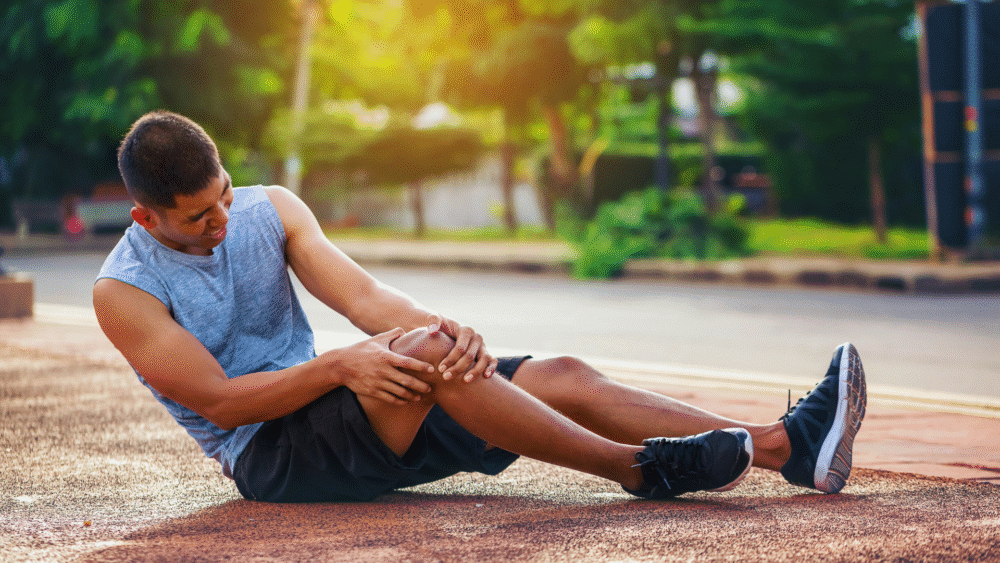
Knee injuries are prevalent among athletes, often resulting from sudden directional changes, falls, or improper training techniques. Common knee injuries include ligament tears, such as the anterior cruciate ligament (ACL), and meniscus tears.
Symptoms may include swelling, pain, and decreased mobility. Preventing knee injuries can involve strengthening the muscles around the knee, maintaining flexibility, and using correct techniques during activities. Incorporating balance and agility training also aids in stabilization.
Shin Splints
Shin splints, or medial tibial stress syndrome, cause pain along the shin bone. This condition is common among runners and dancers, often arising from overuse, improper footwear, or inadequate training surfaces.
To manage shin splints, rest, ice, and elevation can be effective. Preventive measures include gradually increasing intensity in training, choosing supportive footwear, and incorporating lower-impact exercises. Stretching exercises targeting the calf muscles may also help.
Shoulder Injuries
Shoulder injuries frequently occur in sports involving overhead movements, such as swimming or tennis. Common issues include rotator cuff injuries, shoulder impingement, and dislocations.
Symptoms can involve pain, limited range of motion, and weakness. Preventing shoulder injuries includes maintaining shoulder strength through targeted exercises, ensuring proper stretching, and employing correct techniques during sports. Regular rest and recovery are also essential to allow for muscle repair.
Ankle Sprains
Ankle sprains are one of the most common sports injuries, resulting from awkward landings or rolling the ankle. They typically involve the ligaments on the outside of the ankle, leading to pain, swelling, and bruising.
To prevent ankle sprains, athletes should focus on strengthening the ankle and surrounding muscles. Using appropriate footwear and training on stable, even surfaces can also decrease the risk. Balancing exercises can improve overall stability.
Tennis Elbow
Tennis elbow, or lateral epicondylitis, is a condition caused by overuse that results in pain on the outer part of the elbow. It commonly affects those who engage in repetitive arm motions.
Symptoms include pain when lifting or gripping objects. Preventive measures involve proper technique during activities, stretching exercises, and using ergonomic tools when possible. Strengthening the forearm muscles can also reduce strain on the elbow.
Concussions
Concussions are traumatic brain injuries resulting from a blow to the head or body that causes the brain to move rapidly within the skull. Symptoms encompass headaches, confusion, and balance issues.
Preventive strategies involve using appropriate protective gear, adhering to safety guidelines, and educating athletes about recognizing signs of concussions. Immediate medical attention is critical for anyone suspected of having a concussion to ensure proper care and recovery.
Essential Strategies for Preventing Sports Injuries
Implementing effective strategies can significantly reduce the risk of sports injuries. Key approaches include proper warm-up and cool-down procedures, maintaining correct technique, engaging in strength training and flexibility exercises, and choosing appropriate footwear and equipment.
Warm-Up and Cool Down Routines
Warming up before exercise prepares the body for physical activity. Effective warm-up routines increase blood flow to muscles and enhance flexibility. He or she should engage in dynamic stretching and movements specific to the sport.
A proper cool-down routine is equally important. It helps to gradually lower heart rate and prevent muscle soreness. Static stretching exercises post-activity maintain range of motion and reduce stiffness. Incorporating both warm-up and cool-down into a workout routine can decrease the risk of overuse injuries.
Proper Technique and Form
Utilizing correct technique is crucial in reducing injury risk, especially in high-impact sports. He or she should focus on mastering the fundamentals of their sport under the guidance of a qualified coach. Emphasis on proper form during execution protects against strain.
Common injuries often stem from improper mechanics, which can affect joints and muscles. Attention should be paid to supporting muscles and movement patterns. Regular feedback on technique can facilitate adaptations that promote safer performance.
Strength Training and Flexibility
A well-rounded workout routine should include both strength training and flexibility exercises. Strength training builds muscle support, which protects joints and improves performance. He or she can target major muscle groups with resistance training or bodyweight exercises.
Flexibility exercises enhance range of motion and reduce tension in muscles. Dynamic stretches should be included in warm-ups, while static stretches are effective during cool-downs. Consistent cross-training diversifies muscle use, which further mitigates the risk of repetitive strain injuries.
Choosing the Right Footwear and Gear
Selecting appropriate footwear is essential for injury prevention. Shoes should provide adequate support based on foot type. For individuals with high arches, cushioned soles can help absorb impact. The fit and functionality of footwear should match the activity performed.
Additionally, using protective gear like mouthguards and knee pads can safeguard against injuries. He or she should consult resources such as the American Council on Exercise for guidance on selecting the right equipment. Proper gear reduces the likelihood of injuries and enhances overall performance.
Nutrition, Hydration, and Recovery Practices
Proper nutrition, hydration, and recovery practices are crucial for athletes. They contribute not only to performance but also to injury prevention and overall well-being.
Balanced Diet and Sports Nutrition
A balanced diet is essential for athletes to fuel their bodies. It should include a mix of macronutrients: carbohydrates, proteins, and fats. Carbohydrates provide energy, while proteins support muscle repair and recovery. Fats, especially healthy fats, are vital for hormone production.
In addition, micronutrients such as vitamins and minerals support various bodily functions. Athletes may benefit from specialized sports nutrition plans tailored to their specific needs. Focus on whole foods, such as fruits, vegetables, lean proteins, and whole grains.
Meal timing also plays a significant role. Consuming a meal or snack rich in carbohydrates and protein within 30 minutes post-exercise can enhance recovery and reduce soreness.
Hydration and Electrolyte Balance
Hydration is key to maintaining optimal performance and preventing dehydration. Fluid loss occurs through sweat, and significant dehydration can lead to fatigue, reduced coordination, and injury risk.
Athletes should monitor their fluid intake before, during, and after exercise. A general guideline is to drink about 17-20 ounces of water 2-3 hours before exercising and 8 ounces within 30 minutes post-exercise.
Electrolytes, such as sodium and potassium, play a crucial role in maintaining fluid balance. They help prevent muscle cramps and aid in recovery. Sports drinks can be beneficial during prolonged activities, but plain water is often sufficient for shorter sessions.
Rest and Recovery Essentials
Rest is as important as training for injury prevention and recovery. Sleep allows the body to repair and rejuvenate. Athletes should aim for 7-9 hours of quality sleep each night.
Active recovery techniques, such as light stretching and foam rolling, enhance blood flow and reduce muscle stiffness.
Additionally, scheduling rest days into a training regimen promotes long-term performance and decreases injury risk. Incorporating practices like yoga or meditation can also be effective in managing stress and enhancing recovery.
Rehabilitation and Safe Return to Sports
Rehabilitation is crucial for athletes recovering from injuries. A structured approach ensures safety during the return to play, which includes physical therapy, concussion management, and specific protocols tailored for young athletes.
Physical Therapy and Rehabilitation
Physical therapy plays a vital role in recovery. It helps athletes regain strength, flexibility, and coordination through individualized programs. Common techniques include:
- Strength training to rebuild muscle.
- Stretching exercises to improve flexibility.
- Manual therapy for pain relief and improved mobility.
Chiropractic care may also complement rehabilitation, focusing on aligning the spine and joints. Post-surgical rehabilitation requires a tailored approach, often starting with gentle movements and gradually increasing intensity. Adherence to prescribed exercises ensures better long-term outcomes and athletic performance.
Concussion Management and Return-to-Play Guidelines
Concussion management is critical in ensuring a safe return. Athletes exhibiting concussion symptoms must undergo a thorough assessment. Key points include:
- Immediate removal from play at the onset of symptoms.
- Gradual return-to-play protocol, which involves several stages, starting with light exercise and progressively increasing in intensity.
- Medical clearance is mandatory before returning to full participation.
This protocol aims to prevent long-term effects and allow for a complete recovery before engaging in competitive sports again.
Preventing Re-Injury in Young Athletes
Young athletes are particularly vulnerable to re-injury. Implementing preventive strategies is essential for their safety. Important measures include:
- Education on proper techniques tailored to the sport.
- Emphasis on warm-up and cool-down routines to prepare muscles for activity.
- Regular medical check-ups to monitor growth and physical readiness.
Incorporating these practices helps ensure that young athletes not only recover properly but also maintain their health and continue to perform at their best without the risk of re-injury.