
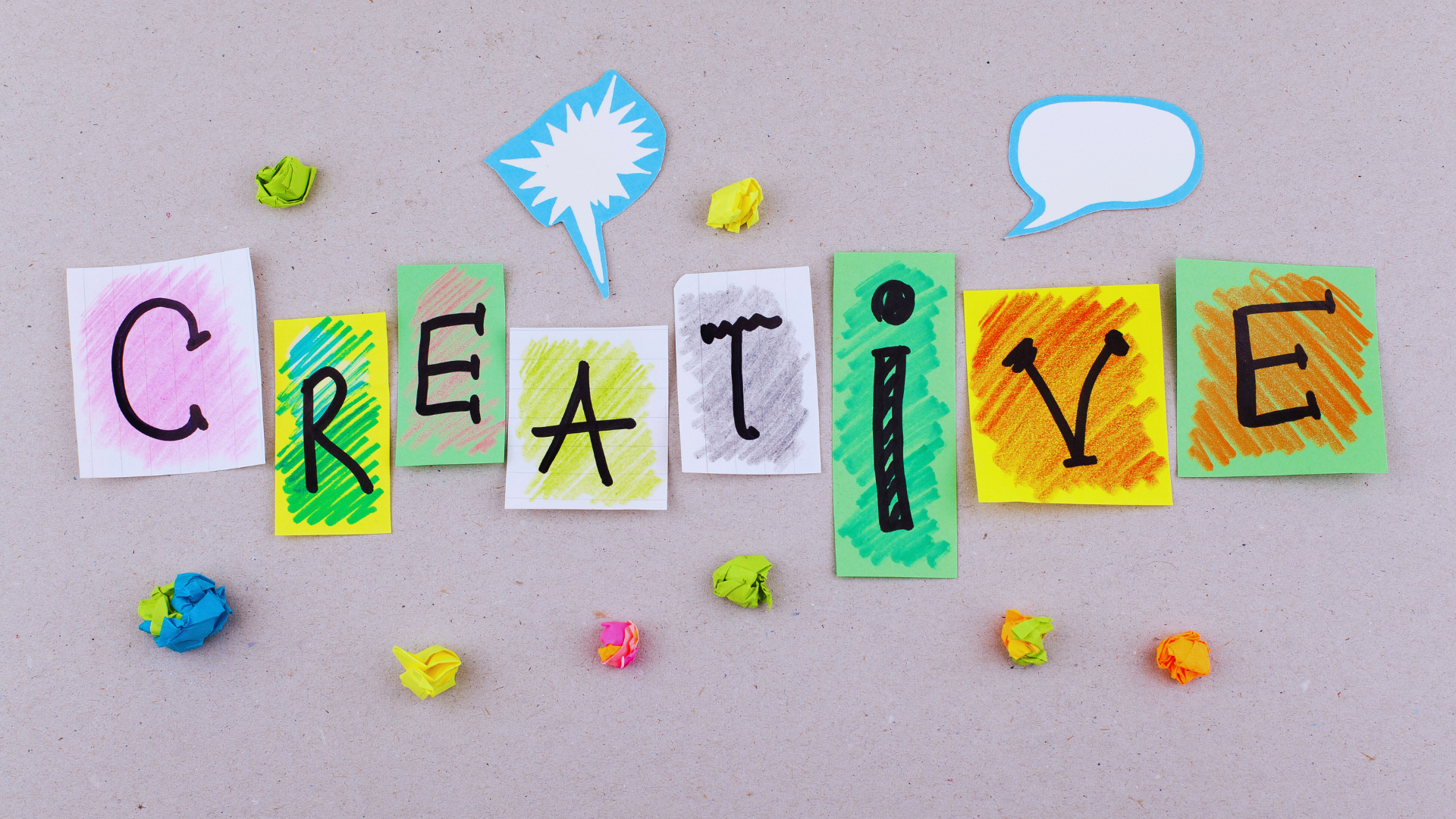
Creativity plays a significant role in enhancing one’s life experience. The benefits of being creative extend beyond artistic expression and can lead to improved mental health and well-being. Engaging in creative activities fosters positive emotions, providing an outlet for stress relief and self-exploration.
Research shows that individuals who embrace creativity often experience increased resilience and a greater sense of purpose. This engagement promotes not only personal satisfaction but also a deeper connection to oneself and the surrounding world. By tapping into their creative potential, people can unlock new pathways for personal growth and fulfillment.
Understanding Creativity and Its Impact
Creativity encompasses various cognitive functions and plays a significant role in problem-solving and the generation of new ideas. Exploring the definitions and processes of creativity reveals its profound impact on individual performance and well-being.
Defining Creativity
Creativity is often defined as the ability to produce original and valuable ideas or solutions. It combines imagination with critical thinking, enabling individuals to view problems from different perspectives.
Mihaly Csikszentmihalyi, a prominent psychologist, introduced the concept of creativity as a process influenced by cultural, social, and individual factors. This multidimensional approach highlights that creativity is not just an innate talent but can be cultivated.
Understanding creativity also involves recognizing its two primary types:
- Expressive Creativity: Associated with artistic endeavors.
- Applied Creativity: Related to practical problem-solving in various fields.
The Creative Process and Flow State
The creative process typically involves several stages, including preparation, incubation, illumination, and verification. During this process, individuals may experience a flow state, characterized by complete absorption in the activity.
Flow, a term coined by Csikszentmihalyi, occurs when a person is fully engaged and focused, leading to heightened productivity and satisfaction. Achieving this state enhances creative output, as people produce more effective solutions when they are in the zone.
Key triggers for entering flow include clear goals, balanced challenges, and immediate feedback. Recognizing these factors can help individuals tap into their creative potential more easily.
Creativity as a Cognitive Function
Creativity functions as a critical cognitive ability that facilitates innovative thinking and effective problem-solving. It involves the brain’s capability to connect disparate ideas and concepts, leading to novel solutions.
Cognitive flexibility is essential for creativity, enabling individuals to adapt their thinking in dynamic environments. Studies indicate that engaging in creative activities can enhance cognitive function, promoting better memory, attention, and reasoning skills.
Creativity is vital, not only in artistic fields but also in areas like science, business, and technology. It fosters a culture of innovation, driving advancements and improving overall outcomes across various domains.
The Emotional and Psychological Benefits
Creativity plays a vital role in enhancing both emotional and psychological well-being. Engaging in creative activities can alleviate negative emotions, promote happiness, and serve as an effective tool for mental health treatment.
Combatting Negative Emotions
Creative expression provides a valuable outlet for processing emotions. Engaging in art, writing, or music can help individuals confront feelings of stress, anxiety, and depression.
Through creativity, they express what may be difficult to articulate verbally. This emotional expression can lead to reduced levels of cortisol, a stress hormone, and can improve mood.
Research indicates that participating in creative endeavors can act as a form of emotional release, allowing individuals to mitigate feelings of anger or sadness. Regularly incorporating creativity into daily life may foster resilience against adverse emotional states.
Facilitating Positive Emotion and Happiness
Creativity can significantly enhance positive emotions. When individuals engage in creative activities, their brains release neurotransmitters such as dopamine and oxytocin, which are associated with feelings of pleasure and social bonding.
These chemical responses contribute to elevated moods and a greater sense of satisfaction. Furthermore, accomplishing creative tasks can instill a sense of achievement and boost self-esteem.
Participating in creativity also fosters mindfulness, encouraging individuals to focus entirely on the present moment. This mindfulness practice can further heighten feelings of happiness and overall emotional well-being.
Art Therapy and Mental Health
Art therapy is a recognized therapeutic approach that utilizes creative processes to improve mental health. This method is particularly effective for individuals dealing with mental illness, as it aids in emotional expression and processing complex feelings.
Through the use of various art forms, clients can safely explore their emotions, leading to deeper self-awareness and insights. Art therapy sessions have shown significant benefits for those facing anxiety, stress, or depression.
This therapeutic practice leverages the healing properties of creativity, providing a structured environment for emotional exploration. As a result, many participants reported enhanced psychological well-being and increased coping strategies.
Physical Health and Creative Engagement
Engaging in creative activities positively affects physical health and plays a significant role in recovery and well-being. The relationship between creativity and health encompasses various benefits, including improved immune function and support for mental health challenges.
The Link Between Creativity and Physical Health
Creativity stimulates the immune system, enhancing its ability to function effectively. Studies suggest that engaging in creative activities, such as painting or playing music, can elevate mood and reduce stress, which directly correlates with stronger immune responses.
Practical applications of creativity promote physical benefits as well. For example, hobbies that involve movement, like dance or gardening, can contribute to cardiovascular health. By integrating creative expression into daily routines, individuals may lower their risk of illness while enhancing their overall health.
Creativity’s Role in Healing and Recovery
In therapeutic settings, creativity is increasingly recognized as a vital tool for healing. Art therapy and similar approaches have been shown to support individuals dealing with conditions like PTSD and dementia. Engaging in creative expression allows patients to process emotions and experiences, which can lead to significant improvements in mental and physical health.
Furthermore, creative activities during recovery can improve cognitive function. They foster neural connections that may aid in coping with memory-related disorders. Overall, the diverse benefits of creative engagement position it as a valuable strategy for enhancing physical health and supporting recovery processes.
Sociocultural Perspectives on Creativity
Creativity plays a crucial role in personal growth and social dynamics. Understanding its impact in educational settings, social connections, and cultural frameworks can enhance one’s appreciation of creative expression.
Creativity in Educational Settings
Educational environments that foster creativity encourage student engagement and innovation. Programs that prioritize creative thinking can improve students’ problem-solving skills and adaptability.
When teachers implement project-based learning and collaborative activities, they promote teamwork and communication. This approach nurtures openness to experience, allowing students to explore diverse perspectives. As creativity becomes part of the curriculum, students often experience greater subjective well-being and academic motivation.
Moreover, integrating arts into education enhances the learning experience. Students engaging in artistic activities develop critical thinking abilities and emotional intelligence, preparing them for future challenges.
The Role of Creativity in Social Connections
Creativity influences social interactions and community building. Engaging in creative activities helps individuals forge strong social bonds through shared experiences.
Participating in group projects or collaborative art initiatives strengthens trust and communication among participants. This contributes to flourishing communities rich in emotional support and mutual respect.
Social creativity also promotes innovation. Diverse ideas spark collaboration and inspire new solutions to collective challenges. Through creative expression, individuals navigate social complexities and cultivate meaningful connections.
Cultural Views on Artistic and Creative Expression
Cultural contexts shape perceptions of creativity and its value. Different societies have unique attitudes toward artistic expression, which influences individual creativity.
In some cultures, creativity is highly celebrated, and seen as a sign of intelligence and adaptability. In others, artistic endeavors may be viewed as less significant, impacting individual engagement in creative activities.
Cultural narratives surrounding creativity also affect personal growth. Individuals from encouraging backgrounds often experience heightened subjective well-being and resilience. They are more likely to explore their potential and contribute innovatively to their communities.
By recognizing and embracing various cultural views on creativity, societies can create inclusive environments that foster innovation and personal development.