
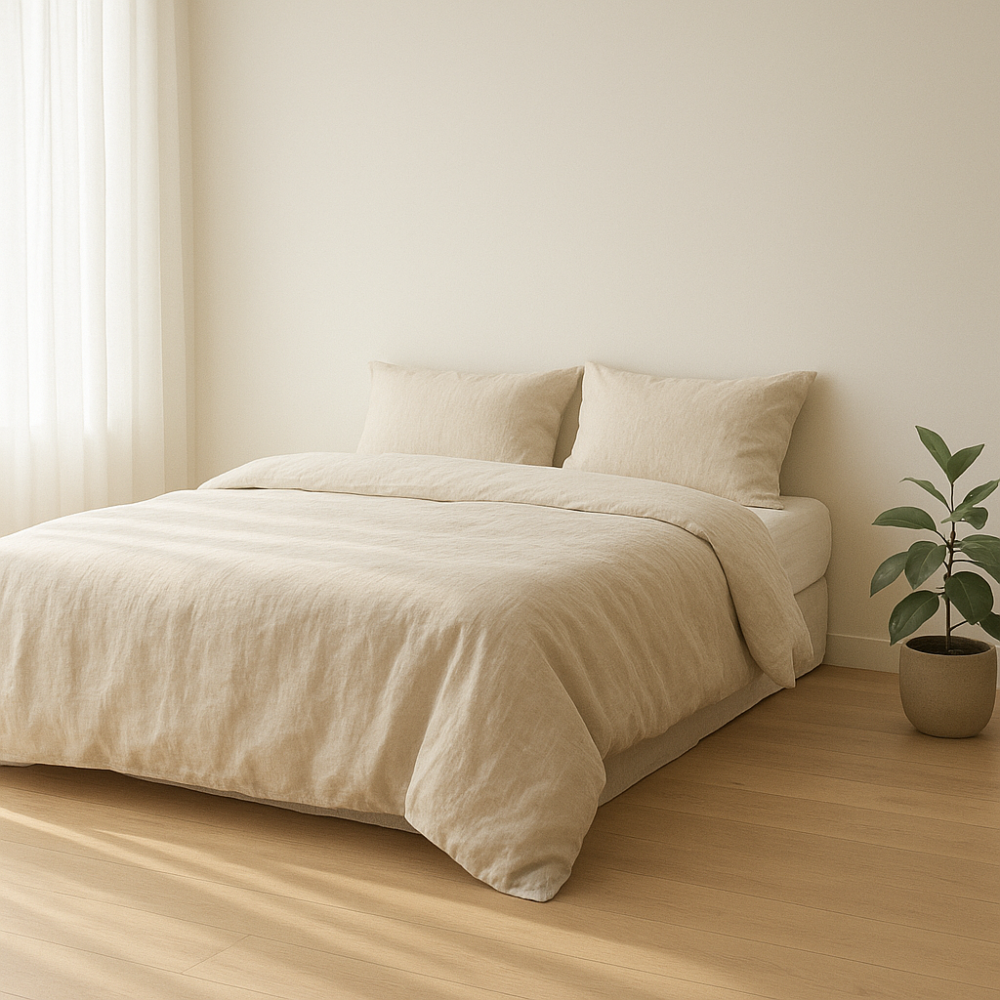
There’s a moment many people recognize: standing in a cluttered room, feeling inexplicably anxious, overwhelmed by the sheer volume of stuff surrounding them. It’s not just a physical sensation — it’s mental noise made tangible. In recent years, minimalism has emerged as more than a trendy aesthetic or a Marie Kondo-inspired weekend project. For a growing number of people, it’s become a genuine pathway to better mental health, sharper focus, and a quieter inner life.
But what’s actually happening in the brain when we strip away the excess? Is there real science behind the calm that minimalists describe, or is it just a lifestyle trend dressed up in psychological language? The answer, it turns out, is more nuanced — and more fascinating — than either enthusiasts or skeptics might expect.
What Is Minimalist Living, Really?
Before diving into the psychological effects, it’s worth clarifying what minimalism actually means in practice. It’s not about owning as few items as possible, living in a bare white room, or following a strict set of rules. At its core, minimalist living is about intentionality — deliberately choosing what you bring into your life, your home, and your daily routine, and letting go of what no longer serves a meaningful purpose.
This can look wildly different from person to person. For one individual, minimalism means a capsule wardrobe and a decluttered home office. For another, it means scaling back social commitments, digital consumption, or financial spending. The unifying thread isn’t deprivation — it’s consciousness.
The Roots of Modern Minimalism
Modern minimalism as a lifestyle movement gained serious traction in the early 2010s, but its philosophical roots run much deeper. Stoic philosophers like Marcus Aurelius and Epictetus advocated for detachment from material possessions centuries ago. Buddhist and Zen traditions have long emphasized the spiritual clarity that comes from owning less. Today’s minimalist movement borrows from these traditions while also responding to a very modern problem: the overwhelming pace of consumer culture.
Research published in the journal Frontiers in Psychology found that higher levels of materialism are consistently associated with lower life satisfaction and greater psychological distress. The antidote, for many people, begins with simply owning less.
The Science Behind Clutter and Mental Health
One of the most compelling arguments for minimalist living comes directly from neuroscience. A landmark study by researchers at Princeton University found that visual clutter competes for attention in the brain, limiting the brain’s ability to process information and increasing stress hormones like cortisol. In other words, a cluttered environment isn’t just aesthetically unpleasant — it’s cognitively exhausting.
Similarly, research from UCLA’s Center on Everyday Lives of Families found that mothers who described their homes as cluttered or “unfinished” had measurably higher levels of cortisol throughout the day compared to those who described their spaces as restful or restorative. The physical environment was directly shaping their stress biology.
Decision Fatigue and the Mental Cost of Owning Too Much
There’s another, less obvious way that excess possessions affect mental wellbeing: decision fatigue. Every object in your environment is a potential decision — where does it go, do I still need it, should I clean it, fix it, or replace it? When you’re surrounded by hundreds or thousands of items, your brain is quietly processing a constant low-level stream of micro-decisions, even when you’re not consciously thinking about them.
Psychologist Barry Schwartz, in his influential work on the “paradox of choice,” demonstrated that having more options doesn’t necessarily make us happier — it often makes us more anxious and less satisfied with the choices we do make. Minimalism, in this context, is a practical strategy for reducing that cognitive load.
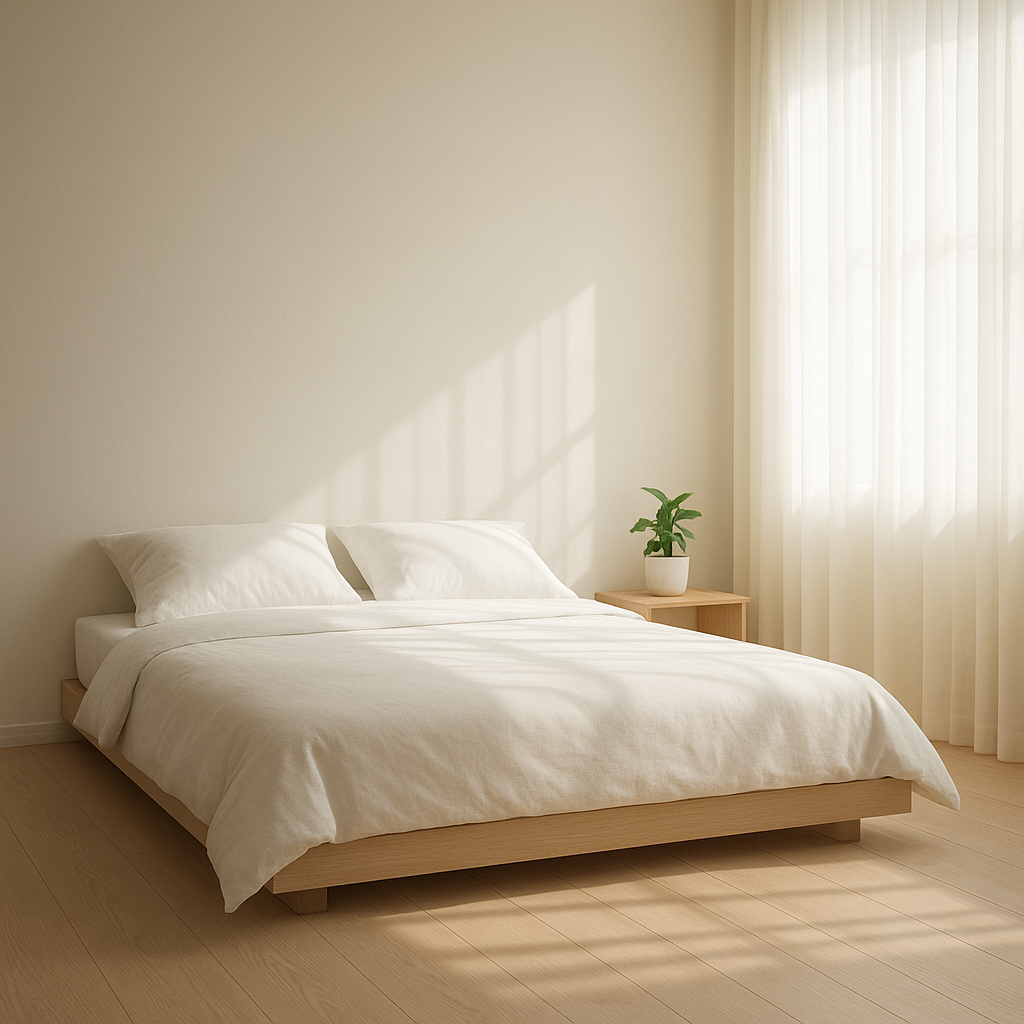
This is part of why figures like Steve Jobs famously wore the same outfit every day. It wasn’t eccentricity — it was a deliberate attempt to preserve mental energy for decisions that actually mattered.
Mental Health Benefits of Minimalist Living
The psychological case for minimalism is building steadily, and the benefits touch nearly every dimension of mental wellbeing.
Reduced Anxiety and Stress
Perhaps the most widely reported benefit is a reduction in ambient anxiety. When your environment is orderly and intentional, there are fewer visual triggers competing for your attention. Many people report that after decluttering, their homes feel more like a refuge and less like another source of obligation. The physical act of clearing space can also function as a form of emotional processing — letting go of old objects often means letting go of old identities, expectations, or grief.
Improved Focus and Productivity
Minimalism’s impact on focus is particularly significant in the age of remote work. A 2019 study found that employees working in cleaner, more organized environments reported higher levels of concentration and felt more capable of sustaining deep work compared to those in cluttered workspaces. Removing physical distractions creates mental space — and that mental space is where creativity, clarity, and sustained attention actually live. Practices like mindfulness through yoga can complement this by further training the mind to stay present and focused.
Greater Sense of Freedom and Control
There’s a psychological phenomenon sometimes called the “endowment effect,” where people place excessive emotional value on objects simply because they own them. Over time, possessions can begin to feel like responsibilities rather than resources. Minimalism reverses this dynamic. By consciously choosing what stays in your life, you shift from a passive accumulator to an active curator of your environment — and that shift in agency has measurable effects on feelings of autonomy and self-efficacy.
Stronger Relationships and More Meaningful Experiences
Research consistently shows that experiences generate more lasting happiness than possessions. A series of studies by Thomas Gilovich at Cornell University found that experiential purchases — trips, concerts, shared meals — produced significantly more enduring satisfaction than material ones, partly because experiences become woven into our identity and our relationships in ways that objects rarely do.
When people spend less money on accumulating things, they often find themselves with more resources — financial and temporal — to invest in experiences and relationships. That reallocation tends to pay dividends in long-term wellbeing.
The Potential Downsides of Minimalism
In the interest of a balanced picture, it’s worth addressing the legitimate criticisms of minimalism as a path to mental wellbeing. The movement has real limitations — and some potential pitfalls.
When Minimalism Becomes a Source of Anxiety Itself
For some people, the pursuit of a perfectly minimal home can become its own form of compulsion. If the goal shifts from “intentional living” to “achieving aesthetic perfection,” minimalism can start to generate the very anxiety it’s supposed to resolve. Some mental health professionals have noted that in individuals prone to obsessive or controlling tendencies, rigid minimalism may reinforce unhealthy patterns rather than disrupt them.
The Privilege Problem
Critics also rightly point out that minimalism as a lifestyle choice is largely accessible to those with economic security. Choosing to own less is meaningfully different from being unable to afford more. When minimalism is framed as a universal prescription for wellbeing without acknowledging these material realities, it can feel tone-deaf or exclusionary. The psychological benefits of owning less depend, in part, on that choice being genuinely voluntary.

The Risk of Social Disconnection
Some people also find that an extreme version of minimalism — particularly when it extends to social commitments and relationships — can tip into isolation. Meaningful human connection requires investment: time, energy, sometimes the willingness to engage with messiness and unpredictability. A minimalist philosophy applied too rigidly to relationships can mistake emotional pruning for clarity.
Practical Ways to Embrace Minimalism for Better Mental Health
The good news is that you don’t need to sell all your furniture or move into a tiny house to experience the mental health benefits of a more intentional approach to living. Small, incremental changes can produce surprisingly significant effects.
- Start with one space. Choose a single room, drawer, or closet and declutter it completely. Notice how you feel in that space afterward — many people find this initial experience motivating enough to continue.
- Apply the “one year” rule. If you haven’t used or thought about an item in the past year, it’s worth asking honestly whether it earns its place in your life.
- Audit your digital environment. Unsubscribe from email lists, declutter your phone’s home screen, and reduce notification overload. Digital clutter creates cognitive noise just as effectively as physical clutter.
- Introduce a “one in, one out” policy. For every new item you bring into your home, remove one. This keeps accumulation in check without requiring constant major overhauls.
- Reflect on purchases before making them. Waiting 48 hours before buying something non-essential is a simple technique that can dramatically reduce impulsive accumulation.
- Invest the savings in experiences. Redirect money saved from reduced spending into shared experiences — travel, meals with people you care about, activities that generate memories rather than more things to store.
Minimalism, Financial Wellbeing, and the Bigger Picture
It’s hard to talk about mental wellbeing without acknowledging the role of financial stress — one of the leading contributors to anxiety and depression worldwide. Minimalism and financial health have a natural relationship. When people buy less, they spend less, accumulate less debt, and often find themselves with greater financial security over time. That security, in turn, feeds directly into psychological stability.
A 2021 consumer study found that individuals who self-identified as practicing some form of minimalism reported higher levels of financial satisfaction and lower financial anxiety than those who didn’t, even when controlling for income level. The relationship between intentional consumption and financial peace of mind is well-established — and the mental health benefits of that peace of mind compound over time. It’s also worth noting that seasonal changes can affect your mental health in ways that interact with your environment, making an intentional, clutter-free space especially valuable during more challenging times of year.
Beyond personal finances, there’s a growing body of research on minimalism’s environmental benefits — and the psychological value of living in alignment with one’s values shouldn’t be underestimated. For people who care about environmental sustainability, reducing consumption isn’t just financially practical; it’s a source of genuine meaning and purpose.
Conclusion
The relationship between minimalist living and mental wellbeing is neither simple nor universal, but the evidence is genuinely compelling. From the neuroscience of clutter to the psychology of decision fatigue, from reduced anxiety to greater financial stability, there are multiple well-supported pathways through which owning and consuming less can contribute to a richer, calmer inner life.
The key is approaching minimalism not as a rigid ideology or an aesthetic goal, but as a practical tool for intentionality. Clearing physical space tends to create mental space. Reducing choices tends to sharpen focus. Shifting resources from possessions to experiences tends to deepen satisfaction. None of this requires perfection — and all of it is available in degrees, starting from wherever you are right now.
Whether you declutter one drawer this weekend or embark on a more comprehensive overhaul of how you live and consume, the underlying principle remains the same: less, but better. And for many people, that turns out to be more than enough.