
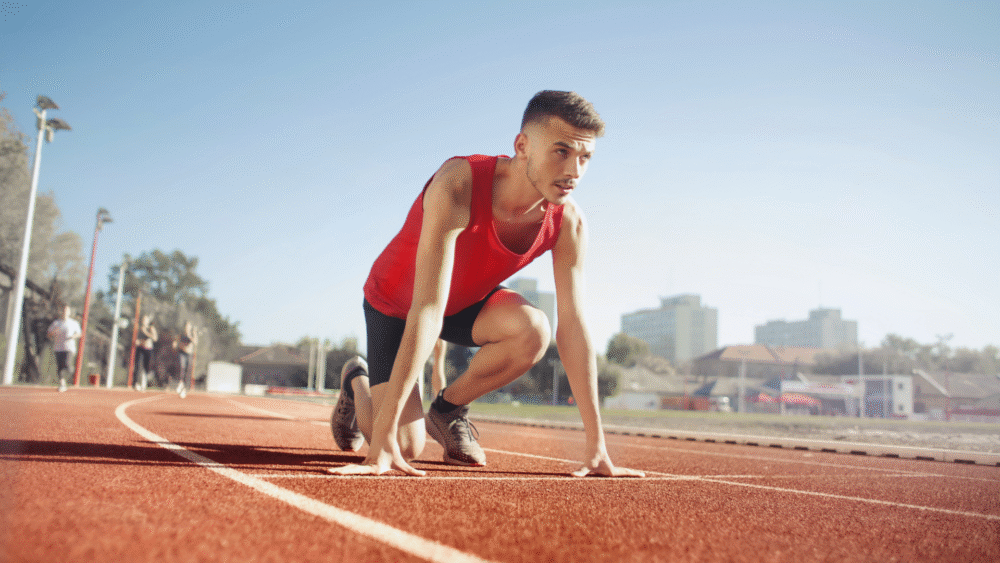
Engaging in sports offers more than just physical benefits; it significantly enhances personal development. Participating in sports fosters an environment where individuals can build self-esteem and improve their social skills. Team dynamics and the spirit of competition encourage individuals to push their limits and achieve personal goals.
Sports teach valuable life lessons, such as teamwork and communication. Players learn to collaborate with others, which translates into improved social interactions outside the sporting arena. This experience strengthens their ability to navigate diverse social situations confidently.
The sense of accomplishment that comes from honing skills or winning a game plays a vital role in boosting self-confidence. Individuals who engage in sports often discover their capabilities and enhance their resilience, which positively impacts various aspects of their lives.
The Connection Between Sports, Confidence, and Social Skills
Participation in sports significantly influences both confidence and social skills. Engaging in physical activities cultivates self-esteem, enhances interpersonal abilities, and offers psychological advantages that contribute to personal growth.
How Sports Foster Self-Esteem
Involvement in sports allows individuals to set and achieve goals, which is essential for building self-esteem. When athletes reach milestones, whether it’s mastering a skill or winning a game, they experience a sense of accomplishment.
This accomplishment reinforces their belief in their abilities. Additionally, regular practice and participation improve performance, leading to positive reinforcement from coaches and peers. Such validation further strengthens their self-worth.
Sports and Social Skills Development
Team sports, in particular, create a unique environment to develop social skills. Athletes learn to communicate effectively, work collaboratively, and resolve conflicts. These interactions foster essential skills such as teamwork, empathy, and active listening.
Moreover, players must navigate social dynamics, which enhances their ability to engage with diverse groups. Building friendships through shared experiences adds to their social circle, contributing to stronger interpersonal relationships.
The Psychological Benefits of Participation
Engaging in sports also offers various psychological benefits. Physical activity releases endorphins, which can reduce stress and anxiety levels. This positive mental state allows athletes to approach social situations with greater ease.
Furthermore, the structured environment of sports provides a sense of stability and routine. Participants often report improvements in mood and overall mental health, contributing to a more confident demeanor in both sports and everyday interactions.
Building Confidence Through Sports
Engaging in sports can significantly enhance a person’s confidence through various mechanisms. Not only does participation foster resilience, but it also nurtures self-esteem and creates a supportive social environment.
Overcoming Challenges and Building Resilience
Sports present numerous challenges that require individuals to push their limits. When faced with obstacles, such as losing a game or improving a skill, athletes develop resilience.
- Learning from Failure: Each setback offers valuable lessons, allowing one to grow. By evaluating what went wrong, individuals can strategize for better outcomes in future endeavors.
- Problem-Solving: Overcoming these challenges strengthens problem-solving skills. As they learn to navigate difficulties, athletes gain a sense of accomplishment that boosts their confidence.
This continuous cycle of facing challenges and achieving personal goals fosters a mindset of persistence and determination.
Consistent Participation and Achievement
Regular involvement in sports plays a crucial role in building self-esteem. Consistency in practice leads to improvement, which directly influences confidence levels.
- Skill Development: With time and effort, an athlete enhances their abilities. Mastering new skills reinforces the belief that they can succeed in different aspects of life.
- Recognition: Achievements, whether winning a game or earning accolades, contribute positively to self-image. Positive reinforcement from coaches and peers further solidifies this newfound confidence.
Through consistent participation, individuals learn that diligence and perseverance yield tangible results.
Supportive Social Environments
The social aspect of sports is vital for confidence enhancement. Being part of a team or club provides a network of support that nurtures self-esteem.
- Encouragement: Team members often encourage each other during both successes and failures. This camaraderie allows individuals to feel valued and accepted.
- Building Connections: Social interactions within sports foster friendships that can lead to a more robust sense of belonging. These relationships provide a safe space to express oneself and grow.
The supportive atmosphere of sports not only boosts confidence but also improves social skills, making individuals more comfortable in various social settings.
Enhancing Social Skills in Team and Individual Sports
Sports provide unique opportunities for individuals to develop vital social skills through structured interactions. Engaging in both team and individual sports fosters essential traits such as cooperation, communication, and emotional regulation.
Cooperation and Teamwork
In team sports, players learn the importance of working together to achieve common goals. Soccer, for example, relies heavily on each player’s ability to support teammates, creating a sense of unity. Coordinated gameplay requires players to strategize and understand each other’s strengths and weaknesses.
This cooperation builds trust among team members, enhancing their ability to function effectively in group environments. Players learn to adapt their individual play styles to benefit the team, which promotes a strong sense of belonging and teamwork. The skills gained in these scenarios often extend beyond athletics into personal and professional relationships.
Communication Skills On and Off the Field
Effective communication is crucial in both team and individual sports. Athletes must articulate their intentions, share strategies, and encourage peers during practice and competition. For instance, soccer players often call for the ball or signal plays, promoting clarity and teamwork.
Additionally, sports create an environment for developing active listening skills. Athletes learn to pay attention to feedback from coaches and teammates. This reflects in their ability to engage in meaningful conversations outside of sports, enhancing their overall communication proficiency in various contexts.
Emotional Regulation in Sports Settings
Sports also serve as a platform for emotional regulation. Competing involves dealing with wins and losses, which teaches players how to manage emotions effectively. For example, after a tough match, soccer players often face disappointment, learning to cope with setbacks and maintain a positive attitude.
Through such experiences, athletes become adept at controlling their emotions, which can improve their interactions with peers. Emotional resilience developed in sports fosters stronger social relationships and enables individuals to approach challenges with a balanced perspective, both on the field and in daily life.
Lifelong Advantages and Broader Impact
Participation in sports fosters skills that extend beyond the playing field. These skills not only enhance personal growth but also have a significant influence on social interactions and emotional well-being throughout life.
Transferring Skills Beyond Sport
Sports often teach valuable problem-solving and teamwork skills. Players learn to assess situations quickly and make decisions under pressure. This adaptability translates well into workplace environments, where quick thinking is crucial.
Additionally, communication skills are honed while working alongside teammates. Expressing ideas and giving feedback become second nature, allowing for smoother interactions in various social contexts.
The resilience built through competition also plays a vital role in one’s personal and professional life. Acceptance of failure and learning from mistakes contribute to a strong character, making individuals more effective in overcoming challenges beyond sports.
Long-Term Social and Emotional Benefits
Engaging in sports can lead to lasting social connections. Team dynamics foster friendships and build networks that often last long after the final whistle. The camaraderie experienced encourages socialization and eliminates feelings of isolation.
On an emotional level, sports instill a sense of belonging. This contributes to improved self-esteem and confidence, crucial elements in navigating social environments.
Moreover, the psychological benefits, such as reduced anxiety and enhanced mood, help individuals maintain emotional stability. Through regular participation in sports, individuals can develop a healthy coping mechanism that supports their overall mental health throughout life.