
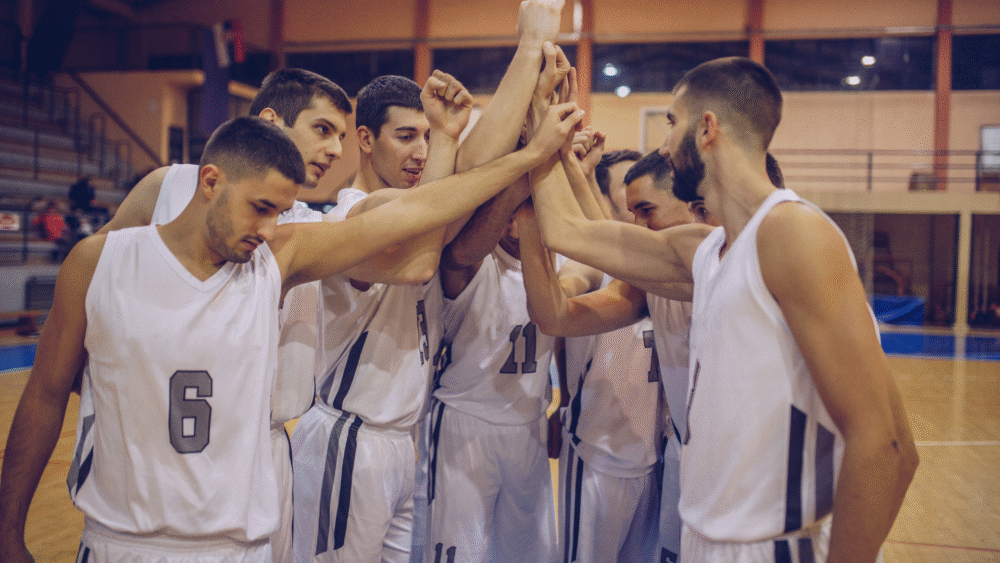
Participation in team sports offers a unique opportunity for individuals to foster their self-assurance. Engaging with teammates, facing challenges together, and achieving collective goals helps build a strong sense of belonging. Through this shared experience, players develop not only their athletic skills but also their confidence in their abilities and themselves.
As members of a team, individuals learn to rely on one another and contribute to a larger purpose. This collaboration teaches valuable life skills, such as communication and perseverance. Sports provide a platform for personal growth, allowing players to navigate successes and setbacks in a supportive environment.
Beyond physical fitness, the social dynamics of team sports encourage participants to step outside their comfort zones. They encounter opportunities for leadership, creativity, and resilience, all of which contribute to greater confidence. Ultimately, the lessons learned in team sports extend far beyond the playing field, enriching personal and professional lives.
Fundamental Ways Team Sports Build Confidence
Playing team sports significantly influences an individual’s confidence through various mechanisms. Key aspects include the development of self-belief founded on shared accomplishments, the setting of personal and team goals, and the enhancement of self-esteem through constructive feedback.
Understanding Self-Belief Through Group Achievement
Achieving victories as a team cultivates a sense of belonging and mutual support. This environment fosters self-belief since members recognize their contributions toward group success.
When a player scores, assists, or makes a critical defensive play, they reinforce their abilities and value. This reinforcement enhances confidence, as individuals learn that they can impact the group positively.
Team dynamics promote shared experiences that build trust. Knowing that teammates rely on one another nurtures resilience and encourages players to take risks, further solidifying their self-belief.
Setting and Reaching Personal and Team Goals
Setting specific, measurable goals is crucial for building confidence. Players often establish both personal objectives and team targets, allowing them to track progress and celebrate achievements.
When individuals meet personal benchmarks, such as improving skills or contributing to the team’s performance, they experience a boost in confidence.
Regular team meetings to evaluate and update goals keep everyone motivated.
This strategy emphasizes accountability, as team members support one another in reaching shared objectives. Accomplishing these goals together creates a positive feedback loop that enhances overall self-assurance.
Growing Self-Esteem with Supportive Feedback
Supportive feedback is essential in a team setting. Constructive criticism, praise, and encouragement help players recognize their strengths while identifying areas for improvement.
Regular acknowledgment of achievements, both big and small, boosts self-esteem. When teammates and coaches celebrate contributions, individuals feel valued and appreciated.
Positive reinforcement fosters an environment where self-doubt is minimized. In this safe space, players are more likely to experiment and learn, further enhancing their skills and confidence.
Team sports offer a platform for personal growth, leading to increased self-awareness and resilience that extends beyond the playing field.
Key Skills Developed From Playing Team Sports
Participating in team sports cultivates a range of essential skills. These skills not only enhance athletic performance but also contribute to personal and social development, including leadership, teamwork, and discipline.
Building Leadership and Communication Abilities
Playing in a team fosters leadership skills. Athletes often have opportunities to take on leadership roles, guiding teammates through strategies and decision-making. Effective communication is crucial; players must convey their thoughts clearly and encourage others, fostering an environment of mutual support.
This aspect of sports promotes camaraderie, as leaders build trust within their teams. Feedback is an important component of communication, allowing players to improve both individually and collectively. Consequently, teamwork thrives when players feel secure expressing their ideas and suggestions.
Learning Cooperation and Teamwork
Team sports emphasize the significance of cooperation. Athletes learn to collaborate towards common goals, understanding that individual success is intertwined with team success. Each player must recognize their role and how it contributes to the team’s overall performance.
Developing a sense of sportsmanship is also key in these environments. Players learn to respect their teammates and opponents, valuing their contributions and recognizing that everyone plays a part. This respect creates a positive atmosphere, which is essential for effective teamwork and improved performance.
Developing Discipline and Resilience
Discipline is a cornerstone of team sports. Athletes must adhere to training schedules, follow rules, and commit to continuous improvement. This consistency instills a strong work ethic, teaching athletes to push through challenges and maintain focus.
Resilience emerges in the face of adversity, whether through losses or injuries. Players learn to bounce back, adapting their strategies and mental approaches. This ability to handle setbacks builds character and strengthens determination, which can be applied in various aspects of life beyond sports.
The Role of Team Sports in Youth Development
Team sports significantly influence youth development by fostering mental health and promoting physical fitness. Engaging in such activities equips young individuals with essential life skills and contributes to their overall well-being.
Positive Effects on Mental Health
Participating in team sports offers an array of mental health benefits for youth. Regular involvement can reduce symptoms of anxiety and depression. The camaraderie found in team settings encourages social connections, helping youths develop strong support networks.
Additionally, team sports enhance self-esteem. Achieving goals, whether personal or collective, instills a sense of accomplishment. Young athletes often experience improved mood and a reduction in stress levels, contributing to a healthier emotional state.
Skill development in a supportive environment fosters resilience. Young athletes learn to cope with challenges and setbacks, which can translate into better emotional regulation in everyday life. This process positively shapes their overall mental well-being.
Physical Activity and Fitness Benefits
Engaging in team sports promotes regular exercise, which is vital for physical health. Youth experiencing structured physical activity are less likely to engage in sedentary behaviors. This increased activity level is essential for preventing obesity and related health issues.
Team sports often include a variety of physical movements, enhancing coordination and agility. These skills can benefit youths in other areas of life, including academics and daily activities.
Moreover, consistency in physical activity leads to improved cardiovascular fitness. Healthy heart function, stronger muscles, and increased endurance support overall growth and development. The lifelong habit of exercise established during these formative years can lead to sustained health benefits into adulthood.
Practical Insights and Real-World Examples
Team sports provide clear opportunities to develop skills that boost confidence. This section explores valuable lessons from soccer and lacrosse, compares team and individual sports, addresses the importance of handling losses and sportsmanship, and highlights nutrition and fundamentals.
Lessons from Soccer and Lacrosse
Soccer and lacrosse are two sports that emphasize teamwork and communication. In soccer, players must pass strategically and anticipate teammates’ movements. This reliance on collaboration helps players build interpersonal skills.
Lacrosse requires quick decision-making and effective communication during fast-paced gameplay. Players often find themselves facing challenging situations that demand confidence. Success in these situations reinforces self-esteem and teaches players to trust their abilities on and off the field.
Comparing Team Sports with Individual Sports
Team sports offer unique advantages compared to individual sports. In team settings, players benefit from shared responsibilities and collective achievements. This dynamic fosters camaraderie and support, essential for building confidence.
In contrast, individual sports can place more pressure on the athlete. Success or failure often rests solely on one person. While individual sports promote self-reliance, they may lack the community support that amplifies confidence found in team sports.
Handling Losing and Learning Sportsmanship
Experiencing loss is an inevitable part of playing team sports. Learning to cope with defeat helps athletes develop resilience. In soccer and lacrosse, teams often analyze game performances to understand strengths and weaknesses.
Players who learn sportsmanship can take losses graciously. Recognizing that losing is part of growth aligns with developing a positive mindset. Athletes gain confidence by focusing on improvement and supporting teammates, fostering a healthy competitive spirit.
The Importance of Nutrition and Fundamentals
Nutrition plays a critical role in an athlete’s performance and confidence. A balanced diet supports energy levels and recovery, allowing players to perform at their best.
Fundamentals in sports like soccer and lacrosse lay the foundation for future success. Mastering basic skills builds confidence in one’s abilities. Players who focus on nutrition and skill development can enhance their overall performance, further contributing to a confident mindset.