
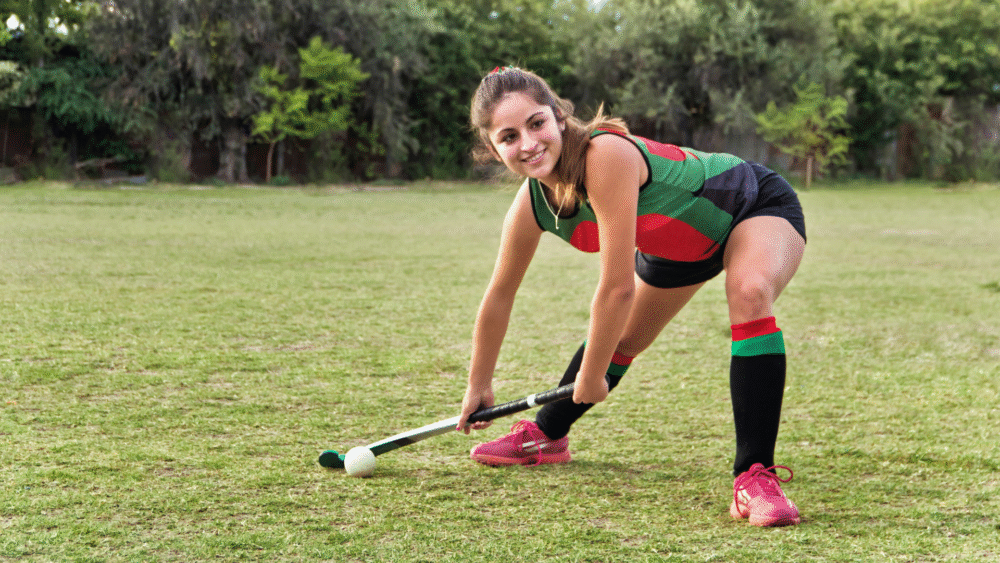
Hockey is more than just a fast-paced game; it serves as a dynamic teacher of vital life skills. Players learn that success on the ice hinges not only on individual talent but also on the discipline and teamwork required to function cohesively as a unit. The essence of hockey illustrates how discipline fosters personal growth while teamwork enhances collective achievement.
In practices and games, each player must adhere to a structured routine, which builds a strong sense of self-discipline. This discipline translates into various aspects of life, encouraging players to set goals, develop perseverance, and stay committed to their objectives.
Moreover, the sport thrives on collaboration. Each pass, each strategy, and each defensive maneuver relies on trust and communication among teammates. This reliance on one another emphasizes the importance of working together towards a common goal, further solidifying the notion that teamwork is essential for achieving success in any endeavor.
How Hockey Instills Discipline and Teamwork
Hockey emphasizes the importance of discipline and teamwork, shaping athletes into focused and collaborative individuals. These qualities not only contribute to success on the ice but also transfer to various aspects of life.
Discipline in Practice and Competition
Discipline is vital in hockey training. Players adhere to strict routines, focusing on skills development and physical conditioning. Regular practice sessions require commitment, as athletes must arrive on time, ready to give their best.
During games, discipline manifests in adhering to strategies and game plans, even under pressure. Players learn to control impulses, whether avoiding penalties or staying positioned. Such experiences reinforce the importance of self-control, critical for success in personal and professional pursuits.
The Essentials of Teamwork in Hockey
Teamwork is fundamental in hockey. Every player relies on teammates for success, fostering a deep sense of collaboration. Roles are clearly defined, whether as forwards, defensemen, or goalies, ensuring everyone understands their responsibilities.
Effective communication is crucial. Players must convey information quickly, whether by calling for the puck or coordinating defensive strategies. This fosters trust and camaraderie, key elements in both sports and life, where strong relationships are necessary for achieving common goals.
Balancing Self-Discipline With Team Goals
In hockey, individual self-discipline complements team objectives. Each athlete must be accountable for their actions, including maintaining fitness and honing skills. This personal commitment aligns with team success.
Players quickly learn that personal achievements contribute to the collective performance. Scoring goals is important, but so is playing defensively and supporting teammates. This balance instills a mindset where individual aspirations fuse with team ambitions, crucial for any collaborative endeavor.
Watching how professionals reconcile individual skill with team strategy can be particularly instructive for players and coaches. Studying matchup breakdowns from the pro game highlights how line matchups, defensive zone structure, and special-teams tactics are applied under pressure; resources that analyze upcoming contests like Stars vs. Kraken can provide concrete examples of those dynamics in action.
Bringing a few of those scenarios into practice drills—such as working on partner coverage or situational forechecks—helps teams internalize the tactical principles. Over time, applying pro-level observations sharpens decision-making and reinforces the team-first habits discussed above.
Commitment and Work Ethics on and off the Ice
Commitment to hockey goes beyond just playing the game. Athletes invest time in training, aligning their schedules with practice and game times. This dedication not only enhances skills but also instills a strong work ethic.
Off the ice, players often engage in conditioning and team-building activities. Such initiatives strengthen bonds and improve overall team performance. This commitment demonstrates the importance of hard work and perseverance in achieving goals, serving as a valuable lesson for all aspiring athletes.
The Role of Communication and Leadership in Building Successful Teams
Effective communication and strong leadership are foundational elements in creating successful hockey teams. These aspects foster trust and collaboration, which are crucial for performance on the ice.
Communication Fundamentals in Hockey
In hockey, precise communication is essential for effective gameplay. Players must utilize clear verbal cues, hand signals, and eye contact to execute strategies. This communication ensures everyone understands their roles during fast-paced situations.
Teams often practice specific drills focused on enhancing verbal and non-verbal communication. Regular team meetings and open discussions allow players to express concerns and share ideas. By creating an environment where players feel comfortable speaking up, teams can enhance their collective performance.
Leadership Styles and Their Impact
Different leadership styles can significantly influence team dynamics. For example, a democratic leader encourages player input, fostering a sense of ownership among team members. This approach can enhance morale and commitment.
Conversely, an authoritarian style may lead to quick decision-making but can stifle creativity and initiative. Successful NHL teams often find a balance, adapting their leadership approach to suit diverse player personalities. Coaches who understand individual motivations can more effectively guide their teams, promoting unity.
Trust and Collaboration Among Players
Trust is a cornerstone of collaboration in hockey. Players must rely on each other in high-pressure situations, making trust essential for optimal performance. Building this trust involves transparency, shared experiences, and mutual respect.
Teams that prioritize collaboration often show improved synergy on the ice. Regular team-building activities, both on and off the ice, enhance relationships and foster a positive environment. Players who trust their teammates are more likely to take calculated risks, leading to creative plays and improved teamwork.
Lessons in Resilience, Motivation, and Handling Adversity
Hockey players frequently encounter challenges that require resilience and motivation. These qualities help athletes navigate difficult moments and setbacks during games. Understanding how to handle adversity enhances both individual performance and team dynamics.
Dealing With Adversity and Setbacks
In hockey, players often face unexpected challenges, such as injuries or tough losses. Resilience becomes essential in these situations. Athletes learn to focus on recovery and improvement rather than dwelling on negatives.
For example, a player returning from an injury must adjust mentally and physically. They practice patience while regaining strength and confidence. This process reinforces a commitment to the sport and strengthens team bonds, as teammates rally around each other during tough times.
Building Motivation and a Growth Mindset
Maintaining motivation is crucial in hockey. A growth mindset enables athletes to view challenges as opportunities. This perspective encourages players to embrace learning and development.
Coaches often emphasize setting achievable goals, which fuel intrinsic motivation. When players see their progress, it enhances their commitment to training and improvement. Celebrating small successes fosters an environment where setbacks are viewed as part of the journey.
Overcoming Suspensions, Turnovers, and Momentum Shifts
Suspensions and turnovers can disrupt a player’s rhythm and affect team dynamics. Resilience helps athletes cope with the emotional impact of these events. They learn to stay focused and refocus their energy on contributing positively.
During a game, momentum shifts can pose significant challenges. Players who understand this dynamic can adapt quickly. They utilize strategies to regain control and inspire teammates, fostering collaboration and determination in overcoming obstacles. This adaptability is vital for long-term success in sports and life.
Life Skills and Values Gained Through Hockey
Hockey is a powerful vehicle for developing essential life skills and core values. The experiences gained on the ice translate into valuable lessons on the rink, including sportsmanship, time management, and the ability to work as part of a team.
Sportsmanship and Respect
Hockey instills a deep sense of sportsmanship and respect among players. Athletes learn to honor the rules of the game, which fosters fair play and integrity. Respect for opponents, referees, and teammates cultivates a positive environment that encourages healthy competition.
For example, when players engage in a power play or penalty kill, they demonstrate these values by managing difficult situations with composure. Coaches often emphasize the importance of acknowledging good plays by rivals, reinforcing that respect is integral to both sports and life.
Time Management and Commitment
Commitment to practice schedules and game days is crucial in hockey. Players must balance rigorous training sessions, travel, and personal responsibilities, requiring them to develop effective time management skills.
Junior hockey players, for instance, often juggle academics with their training, learning to prioritize commitments. This struggle cultivates discipline and helps them manage deadlines effectively. Visualization techniques can aid players in maximizing their performance, demonstrating how discipline translates directly into effective time management.
Transferable Skills Beyond the Rink
The skills learned in hockey extend far beyond the ice. Teamwork is essential, as players must communicate and collaborate to execute plays and achieve goals.
Players often gain leadership skills by collaborating on strategies during high school or college hockey. They learn to motivate one another during challenging moments, whether during a crucial game or in training. This teamwork and communication ability position athletes well for future careers, as they are equipped to navigate professional environments with confidence and skill.